- 1Select Items
- 2Delivery Options
- 3Name & Address
- 4Further Details
- 5Discounts
- 6Payment
'Wicker Sour' cocktails, straw man making + Wicker (18)
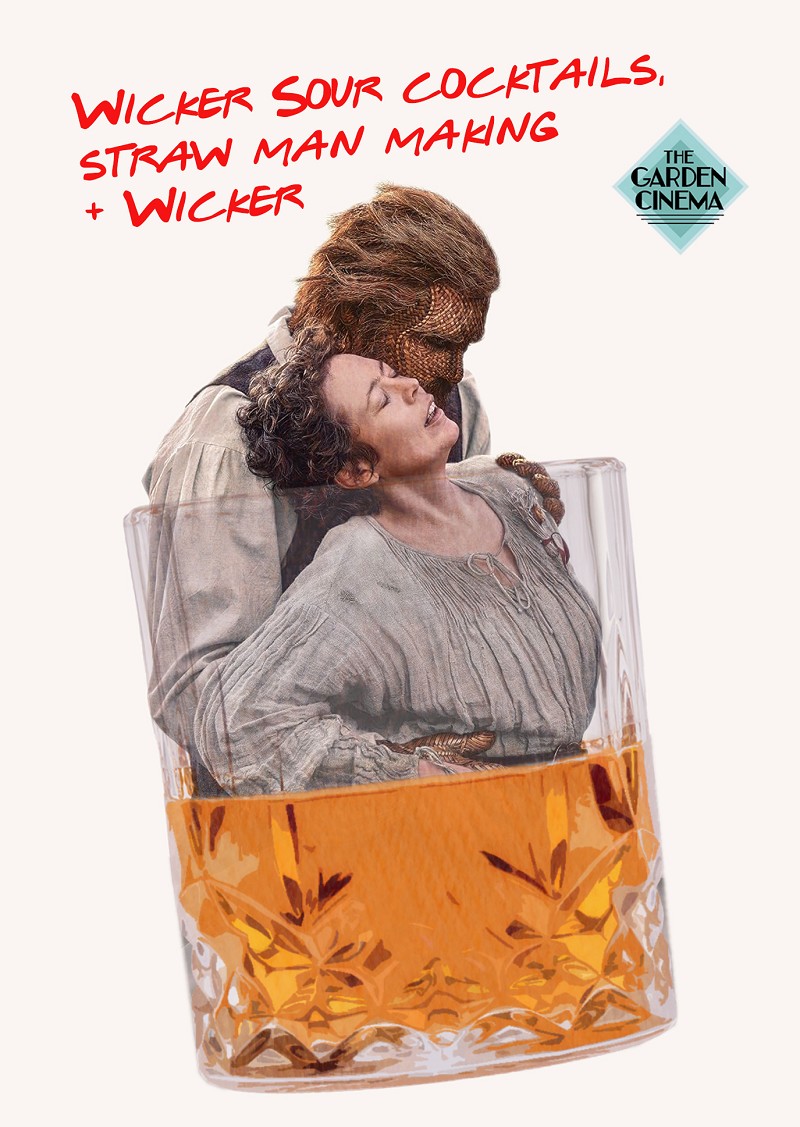
For those who are sad to miss out on the 4DX screenings of Wicker in the US, we're excited to share our own special members' screening of the hot new feature starring Olivia Colman and Alexander Skarsgård.
Remember, remember (to join us on Thursday) 5 November from 19:00 for a pre-screening cocktail hour, where our bar team will be shaking up our themed take on a whiskey sour. Rather than burning a guy, you'll have the chance to craft your own miniature man (made of straw), or even weave a love token.
At 20:30, we'll take our seats in the screen for a different type of fireworks in the form of a steamy screening of Wicker, which is expected to come to a satisfactory conclusion around 22:15.
Tickets are £18.50 each, which will include access to the pre-screening event and straw man making activity, a complimentary 'Wicker Sour' cocktail (alcoholic or non-alcoholic), and an allocated seat for the film. They are restricted to 2 per member, so you can bring a friend along for the same price, even if they're not a member.
About the film:
On the outskirts of a village by the sea, lives a Fisherwoman; smelly, single, and perpetually ridiculed. One day, fed up with her stuffy, small-minded neighbours, she commissions herself a husband to be made from wicker. In an otherwise conservative town, this unconventional romance sparks outrage, jealousy and chaos.
The Garden Cinema View:
If you liked his emotionally distant leather-clad biker in Pillion, you’re going to love Alexander Skarsgård as an extremely attentive wicker man…
Co-directors Alex Huston Fischer and Eleanor Wilson breathe life into this Pygmalion-type fairy tale; a quirky, comedically broad critique of gender roles, small-town jealousy, and ageism. Where Wicker excels is in its world building. Production designer Renátó Cseh and cinematographer Lol Crawley create a fully realised space for this odd community, featuring a mud-caked village and the Fisherwoman’s (Olivia Colman) witchy cottage on the edge of town. The Wicker Husband himself is a compelling and (very) tactile creation - a triumph in prosthetics and makeup by Wētā Workshop. Skarsgård’s movement and softly spoken interactions with the grotesques of the village are Wicker’s most interesting scenes. Huston Fischer and Wilson lend this non-specific time and place its own cosmology of folk rituals, customs, and speech – resulting in a folk-horror-comedy sensibility that is both distinct but recognisable.
The jokes are somewhat uneven, but Wicker is still thoroughly enjoyable - although it may leave you wondering what a darker and stranger take on this tale might have looked like…
You can find our other (regular) screenings of Wicker here.
Book Tickets
|
All About the Money + Q&A (18)
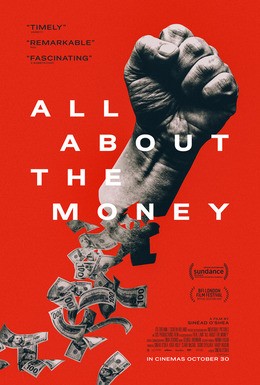
The screening will be followed by a Q&A with director Sinéad O’Shea.
Fergie Chambers rebels against everything his family represents by funding an anarchic, anti-capitalist collective in rural Massachusetts. But it is the very privilege afforded by his background that allows him to escape when the group get into trouble. O’Shea creates a fascinating account of the contradictions of life among the 1%, exploring a world of unimaginable wealth and power, while questioning the possibility of ever really escaping from it. (BFI)
Book Tickets
|
Arthur Christmas (U)
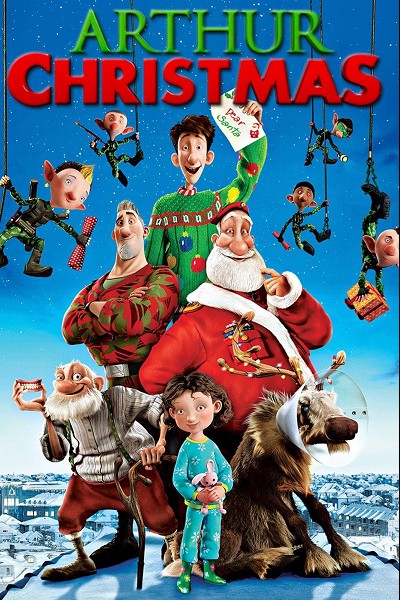
How can Santa deliver billions of presents to the whole world in just one night? With an army of one million combat-style Field Elves and a vast, state-of-the-art control centre under the ice of the North Pole! So how could this incredible mission have missed one child?! To Santa’s young son, Arthur, it threatens to end the magic of Christmas. With retired Grandsanta, a rebellious elf, and old sleigh and some untrained reindeer, Arthur sets out on a crazy mission to deliver the last present.
The CG-animated fantasy by Aardman, the animators behind Wallace & Gromit features the voices of James McAvoy, Hugh Laurie, Bill Nighy, Jim Broadbent, and Imelda Staunton.
On Sundays our family screenings are followed by a free activity for children.
This is a 'Pay What You Can' Family Screening, which means you’re free to pay as much or as little as you can afford. By paying for a ticket, you will enable us to keep offering Pay What You Can screenings to families struggling with the cost of living. Thank you
Banana Paradise (18)
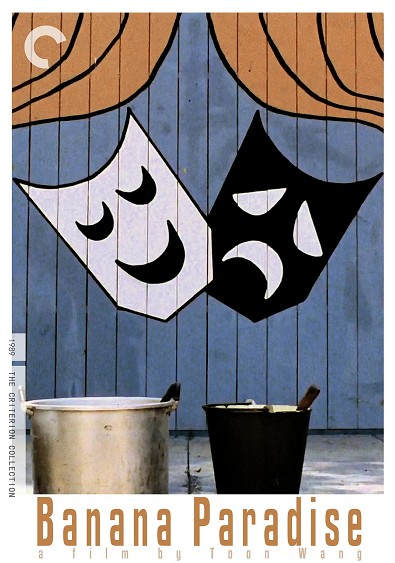
The screening on 8 November will be introduced by Tom Cunliffe (UCL). New restoration.
Banana Paradise (1989) is the second chapter in Wang Toon’s celebrated 'Modern Taiwan Trilogy', along with Strawman (1987) and Hill of No Return (1992), which traces the lives of ordinary Taiwanese through the upheavals of Japanese colonial rule and the early Kuomintang era.
Tempted by tales of sweet bananas, a naïve young man follows the Kuomintang forces from China to Taiwan in 1949. He adopts false names and adjusts to life in Taiwan amidst turbulent socio-economic changes. Banana Paradise addresses the cruelties of martial law as a tragicomic melodrama, rural-urban migration, and the demands of modernisation. Director Wang Tong was a veteran in set design for directors including King Hu, Li Hsing and Pai Jing-jui before making his feature film debut in 1981. His works can be situated between the generational shift, combining sentimentality with socio-political critique.
Bar Shorts with Darren Walsh & Russell McLean (18)
British animator/director Darren Walsh and Emmy-winning producer Russell McLean have a long history of high-profile collaborations in the animation and advertising industries. They recently combined to develop an original Gerry Anderson puppet project, Hit Squad, for Warner Bros Animation and Hanna-Barbera Europe. They have worked together on Angry Kid (Darren's original 1990s show for Aardman), Stopframe scenes for Martin Scorsese's Hugo and Tim Burton’s Miss Peregrine’s Home for Peculiar Children, Black Mirror's real-time puppet character in The Waldo Moment and created the iconic Compare The Meerkat ad campaigns. They combine Walsh's expertise in stop-motion and character direction with McLean’s extensive live action and VFX production experience. We are very excited to have them on board.
Programme to be announced soon.
Book Tickets
|
Before It Was Cool: The Brooklyn Beat From Lauterbach’s + Q&A (18)
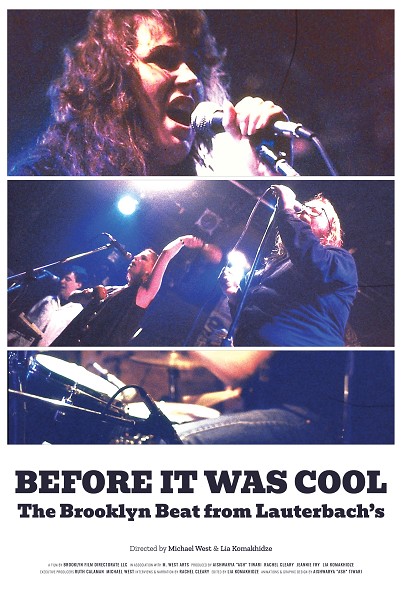
In early-1980s Brooklyn, an unassuming dive bar became the unlikely birthplace of a musical movement.
Lauterbach’s brought together a fiercely creative community of punk, indie and alternative musicians who forged what became known as “The Brooklyn Beat.” Through intimate interviews, archival footage and animation, Before It Was Cool uncovers this overlooked chapter of New York music history and the artists who transformed competition into collaboration. When Lauterbach’s suddenly closed, its community scattered but its influence endured. A love letter to pre-gentrification Brooklyn, the film celebrates a time when music was driven by experimentation, survival and an unbreakable sense of community.

Doc’n Roll Film Festival returns to London this autumn for its 13th edition, bringing another exciting selection of music and arts documentaries to cinemas across the city from 22 October to 8 November. Fiercely independent and rooted in a DIY spirit, Doc’n Roll celebrates the artists, outsiders, scenes and stories that shape music culture, spanning genres, generations and musical movements from around the world.
Book Tickets
|
Better Go Mad in the Wild + Q&A with director Miro Remo (15)
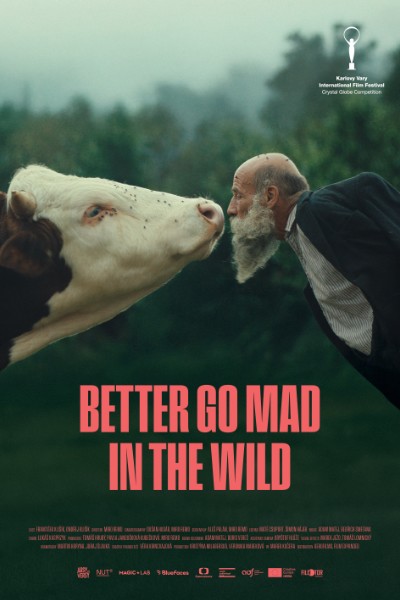
The 30th Made in Prague Festival and Tributary Releasing present the London premiere of Miro Remo’s award-winning, playful documentary Better Go Mad in the Wild – a funny, tender and life-affirming portrait of two brothers who have chosen to live entirely on their own terms. The screening will be followed by a Q&A with director Miro Remo.
Deep in the Šumava Mountains, identical twins František and Ondřej have created a life far from the gaze of society. On their ramshackle farm, they tend to their animals, swim in forest lakes, compose poetry, drink, philosophise and bicker – before making up and starting all over again. But beneath their eccentric routines lie two very different spirits: František dreams of freedom and adventure, while Ondřej longs for the comfort of the familiar.
As their unbreakable bond is put to the test, their unconventional world becomes a funny and moving reflection on brotherhood, solitude and the desire to live life on your own terms. Remo playfully blurs the line between reality and fairy tale, mixing semi-staged vignettes, striking visual tableaux, a talking cow and plenty of anarchic humour.
Warm, eccentric and full of surprises, Better Go Mad in the Wild is a wonderfully offbeat celebration of two charismatic outsiders who have created their own way of seeing – and living – in the world.
Winner of the 2025 Crystal Globe, Karlovy Vary International Film Festival
Winner of Best Cinematography, Best Editing and Best Documentary Film, 2025 Czech Lion Awards
“Sprightly, warm, and endearing portraiture … conjuring little moments of magic by slowing down for long enough to notice all the details of two born outsiders who turned nature into their own private sanctuary.”— RogerEbert.com

The 30th Made in Prague Festival (September – November 2026) is organised by the Czech Centre London.
Book Tickets
|
Case 137 (12A)
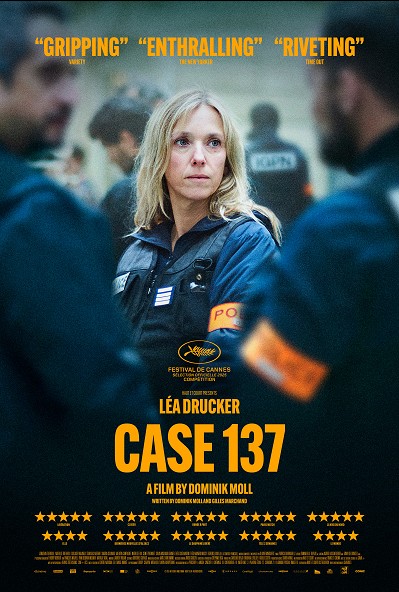
Set against the backdrop of mass protests in Paris, Case 137 follows Stéphanie, a meticulous internal affairs investigator working on the case of a teenager severely wounded by police fire. As she searches for the truth her inquiry collides with institutional resistance and pressure mounts as the case takes a personal turn when she discovers the victim is from her hometown.
The Garden Cinema View:
Police investigating police brutality is a compelling premise in itself, and Case 137 makes the most of it. The film excels at putting its protagonist in a difficult position: labelled a snitch by colleagues, distrusted by a disillusioned public, and confronted by the grieving mother of the victim. It is a lose-lose situation, and Léa Drucker plays it with remarkable poise.
Austere, focused, and resolutely anti-sensationalist, Dominik Moll’s directorial restraint borders on the monastic, and it is exactly what gives the film its integrity and weight.
Dangerous Youth (18)
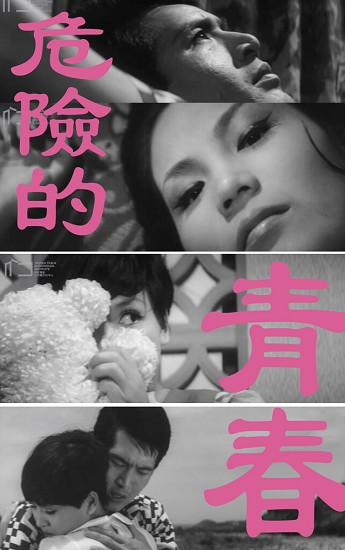
The screening on 18 Novemver will be video introduced by Dr. Ming-yeh Rawnsley (SOAS), co-editor of Taiwanese-Language Cinema: Rediscovered and Reconsidered (2024), the first English-language anthology devoted to Taiyupian.
Specially presented in a digital restoration to mark the 70th anniversary of Taiwanese-language cinema, Hsin Chi’s Dangerous Youth is one of Taiyupian’s boldest surviving works. With its striking New Wave aesthetics that echoes of Japan’s Sun Tribe films, it centers on a gritty love triangle and explores taboo themes like carnal desire, exploitation, and changing gender power dynamics.
Khue-guan (Shih Ying), a penniless delivery boy for a cosmetics company, meets Tsing-bi (Cheng Hsiao-Fen), a young and charming waitress, in awkward circumstances just as his girlfriend leaves him for a wealthy suitor. Khue-guan is intrigued by Tsing-bi and tries to get her another job after meeting Giok-sian (Kao Hsing-Chih), who runs a cabaret. Eventually, she finds out that her new job is as an escort to a lonely, elderly millionaire named Mr. Tshi.
Book Tickets
|
Days of Eclipse (18)
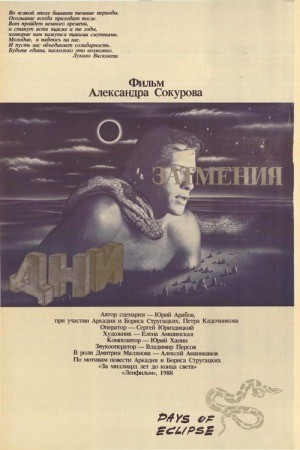
Pushkin House and Klassiki are delighted to present a film programme inspired by the pioneering science fiction of the Strugatsky Brothers: After Utopia: the Strugatsky Brothers on Film.
One of the last remaining figures of the classic Russian arthouse, Aleksandr Sokurov is at his bleak best in this oblique adaptation of the Strugatsky Brothers’ 1977 novel One Billion Years to the Ends of the Earth. In the dying days of the Soviet experiment, a young doctor finds himself posted to a remote Turkmen town. Attempting to research the relationship between religious faith and medicine, he finds his efforts confounded by a series of mysterious encounters and ill omens. Switching freely between sepia and colour and documentary footage and flights of invention, Sokurov paints an oblique portrait of the end of Soviet empire, imbued with the tragic history of the region and centred around a remarkable lead performance from Aleksei Ananishnov. In his hands, the Strugatskys’ account of alien interference in human affairs becomes a distorted reckoning with Russian colonialism and the limits of rational enquiry.
Running from 6-13 November, After Utopia will feature four screenings as well as a live discussion at Pushkin House, exploring how some of the most renowned Soviet and Russian filmmakers – including Andrei Tarkovsky, Aleksandr Sokurov, and Aleksei German – drew on the Strugatskys as they explored the slow collapse of twentieth-century utopia.
Book Tickets
|
Don DeLillo at 90: Cosmopolis with Ben Rivers (15)
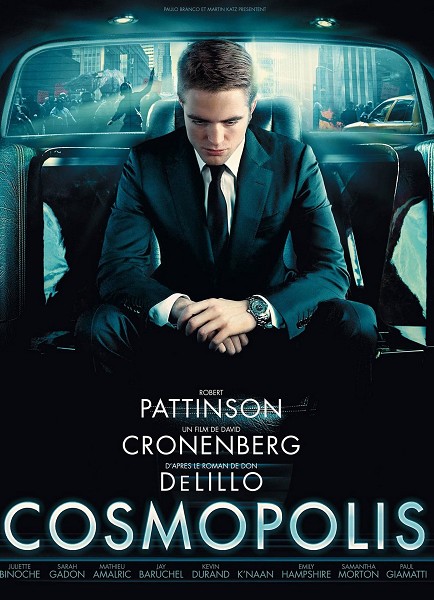
Discussing Cosmopolis afterwards, with host Gareth Evans, will be award-winning artist and film-maker Ben Rivers, whose own recent film Mare's Nest features a full adaptation of DeLillo's play The Word for Snow, here performed entirely by children.
This Friday (20th November) marks the remarkable American novelist Don DeLillo's 90th birthday. Since his 1971 debut Americana, across 18 novels, 10 plays and two dozen short stories DeLillo has crafted a singularly prescient, unsettling, darkly humorous and stunningly written guide to the contemporary world, in all its paranoid, conspiratorial, commodified and yearning manifestations. The startling lyricism of his prose style has made books like White Noise, Libra, Mao II and Underworld masterpieces of insight and awe.
Cosmopolis (2003), one of his six books written since the turn of the Millennium, is a kind of chamber-drama distillation (but no less potent for that) of the huge themes he explores elsewhere in his oeuvre. In this case, however, the chamber in question is the interior of an almost completely insulated stretch limo, one that is transporting 28 year old billionaire and fund manager Eric Packer (a pitch-perfect Robert Pattinson) in almost 'real time' across a gridlocked Manhattan to get a haircut. He makes his way via a presidential motorcade, a Sufi rap funeral and an anti-capitalist protest, while being visited in the vehicle by advisers, his doctor, wife, sexual partners and more. As the day progresses, and as his funds collapse, he faces a 'credible threat' and things go from bad to worse...
Working with his key long-time collaborators, composer Howard Shore, and cinematographer Peter Suschitzky (who will be in conversation after their shared earlier film Spider at The Garden on 9th November), Cronenberg vividly translates DeLillo's cool and expansive world-making to the screen, borrowing his distinctive dialogue straight from the page. While some were sceptical, astute critics could see that the meeting of film-maker and novelist had resulted in a striking outcome, one that, 14 years on, feels more relevant than ever, in this age of oligarchic ascendancy. For Justin Chang, writing in Variety, the film is "an eerily precise match of filmmaker and material, Cosmopolis probes the soullessness of the 1% with the cinematic equivalent of latex gloves. ... Pattinson's excellent performance reps an indispensable asset." Meanwhile, here in the UK, Robbie Collin, tellingly in The Daily Telegraph, observes that "it's a smart inversion of Cronenberg's 1999 film eXistenZ: rather than being umbilically connected to a virtual world, Packer is hermetically sealed off from the real one. At its heart is a sensational central performance from Robert Pattinson as Packer. Pattinson plays him like a human caldera; stony on the surface, with volcanic chambers of nervous energy and self-loathing churning deep below."
Book Tickets
|
Donnie Darko - 25th Anniversary (15)
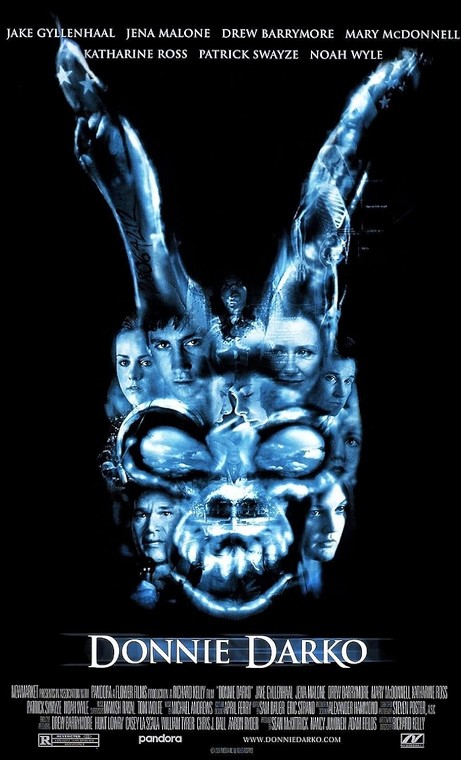
This new restoration of Richard Kelly's classic will be introduced by film historian Ellisha Izumi.
Donnie is a troubled high school student: in therapy, prone to sleepwalking, and in possession of an imaginary friend, a six-foot rabbit named Frank, who tells him the world is going to end in 28 days, 06 hours, 42 minutes and 12 seconds. During that time he will navigate teenage life, narrowly avoid death in the form of a falling jet engine, follow Frank's maladjusted instructions, and try to maintain the space-time continuum.
Book Tickets
|
Double Vision (18)
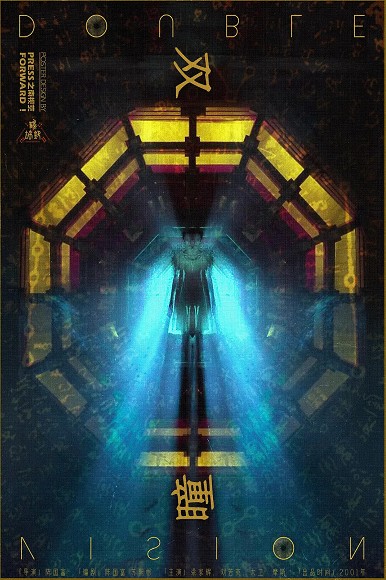
The screening on 31 October will be video introduced by East Asian genre cinema expert James Mudge.
Also presented as part of our Halloween season. Chen Kuo-fu’s Double Vision is a landmark in Taiwanese horror, paving the way for later genre films rooted in local folklore and religious traditions. An ambitious international production backed by Columbia Pictures Film Production Asia, it became a major box-office success in Taiwan and was selected for Un Certain Regard at the Cannes Film Festival.
In Taipei, disgraced detective Huang Huo-tu joins forces with FBI agent Kevin Richter to investigate a series of inexplicable deaths. As clues lead from a murder in a Christian church to hallucinogenic fungus and a mysterious Taoist cult, their investigation descends into a disturbing world where forensic reason collides with ancient beliefs, and the boundary between serial murder and the supernatural begins to dissolve...
Book Tickets
|
Down by Law (U)
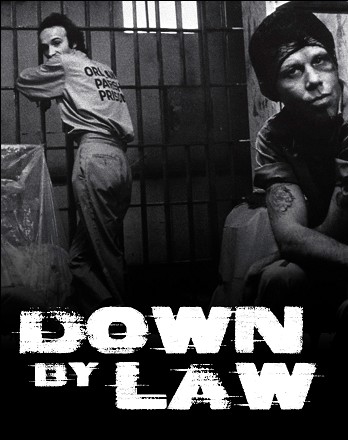
Down by Law was suggested by our member Paul Redgrave, who writes: ‘Great performances from Tom Waits and Roberto Benigni. The film looks great thanks to cinematographer Robby Müller who worked with Wim Wenders on films including The American Friend and the 1984 Palme d’Or winner Paris Texas and Jarmusch's own Mystery Train. It sounds great thanks to the queen of New Orleans soul Irma Thomas on the soundtrack along with Tom Waits, and includes the most hilarious prison riot sequence ever filmed.’
Director Jim Jarmusch followed up his brilliant breakout film Stranger Than Paradise with another, equally beloved portrait of loners and misfits in the American landscape. When fate brings together three hapless men - an unemployed disc jockey (Tom Waits), a small-time pimp (John Lurie), and a strong-willed Italian tourist (Roberto Benigni) - in a Louisiana prison, a singular adventure ensues. Described by Jarmusch as a 'neo-Beat noir comedy', Down by Law is part nightmare and part fairy tale, featuring sterling performances and crisp black-and-white cinematography by the esteemed Robby Müller.
Please note, the screening on Wednesday 4 November is our free members’ screening, whilst Monday 9 November is a regular screening, which is open to the general public.
Book Tickets
|
Extra Geography (15)
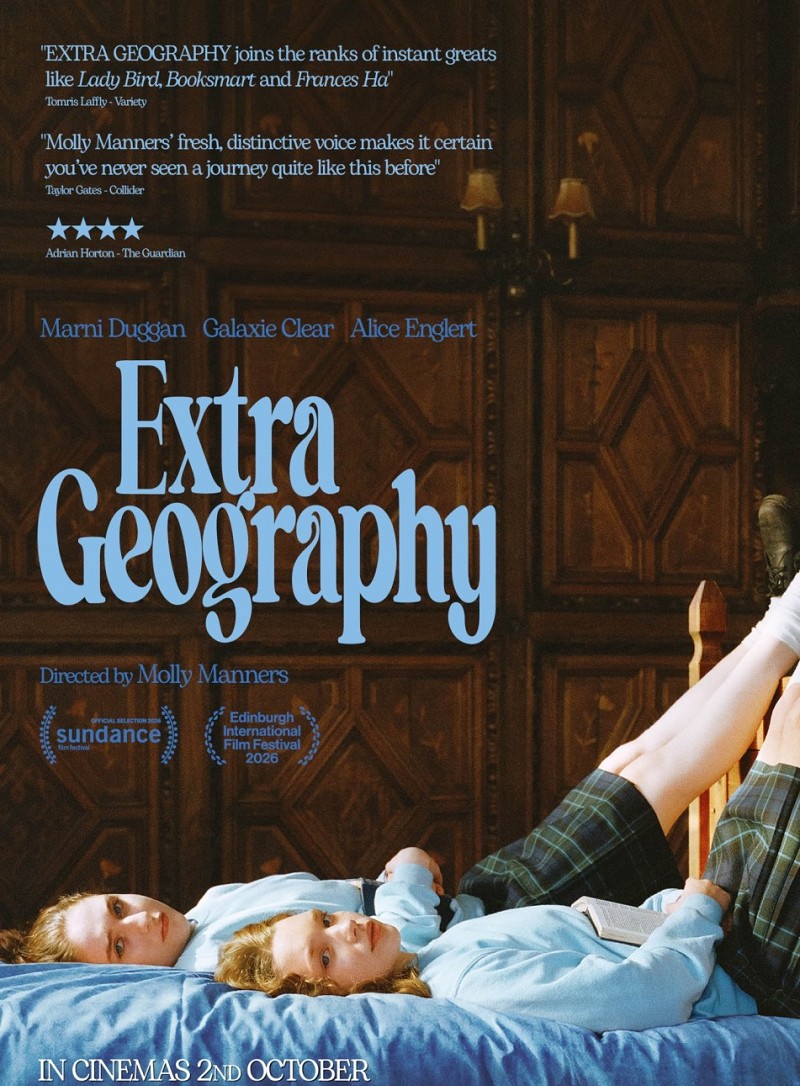
Our screening on Sunday 4 October will be followed by a q&a with writer Miriam Battye.
Set in an English girls’ boarding school, two teenage best friends grapple with the challenges of girlhood - friendship, boys, studies, and growing up - and embark on their summer project, falling in love.
The Garden Cinema View:
A fun, zippy, and occasionally quite sad debut from Molly Manners who captures some essential truths of the psychodrama that is the English public school system.
In the tradition of the best boarding school films, St Jude’s is its own ecosystem, and for the all-girl student body it also demarcates the limits of their world – beyond an abstract idea of eventual study at ‘Oxbridge’. Manners and writer Miriam Battye use this quasi-cloistered setting to explore the intensity of female teenage friendship and co-dependency. Marni Duggan and Galaxie Clear are excellent discoveries as Flic and Minna, fleshing out a relationship dynamic reminiscent of Peter Jackson’s Heavenly Creatures, albeit a little less dark and a little more Booksmart.
Beyond the central pair, the supporting cast are quite a broad and typical bunch, representative of a wider debt to 90s and 00s teen comedies. And as with the b-grade 2001 high school movie Get Over It, a production of A Midsummer Night’s Dream is central to the plot. But Extra Geography is a good deal snappier than such a comparison suggests. Dialogue is layered and baroque (more akin to Whit Stillman’s Damsels in Distress than American Pie), and the production design may well evoke a tingle of fear as you find yourself dragged back to your own schooldays.
Father + Q&A with director Tereza Nvotová (18)
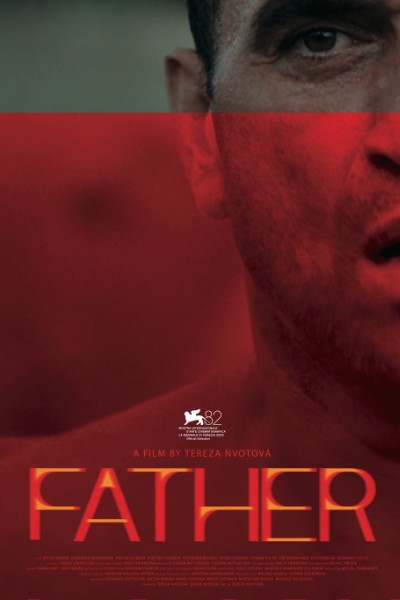
The 30th Made in Prague Festival presents a powerful and deeply moving drama about guilt, love and the possibility of forgiveness. The screening will be followed by a Q&A with director Tereza Nvotová.
A single tragic mistake changes the life of devoted father Michal forever, leaving him consumed by guilt. As he and his wife Zuzka struggle to come to terms with what has happened and its devastating consequences, their marriage is tested to its limits. Haunted by what he has done, Michal begins to question whether he deserves a future at all. Yet, in the midst of grief and guilt, their love offers a fragile source of strength.
Inspired by real events, Tereza Nvotová’s powerful drama is anchored by an extraordinary performance from Milan Ondrík as Michal. Intimate and unflinching, Father explores the devastating consequences of one moment, the complexities of human error and whether love and understanding can help us find a way forward.
Premiered at the Venice Film Festival 2025
98th Academy Awards® - Official Entry for Slovakia
European Film Awards 2026 - Shortlist Selection
Czech Film Critics’ Awards | Best Director and Best Actor Awards
The 30th Made in Prague Festival (September – November 2026) is organised by the Czech Centre London.
Book Tickets
|
Fatherland (12A)
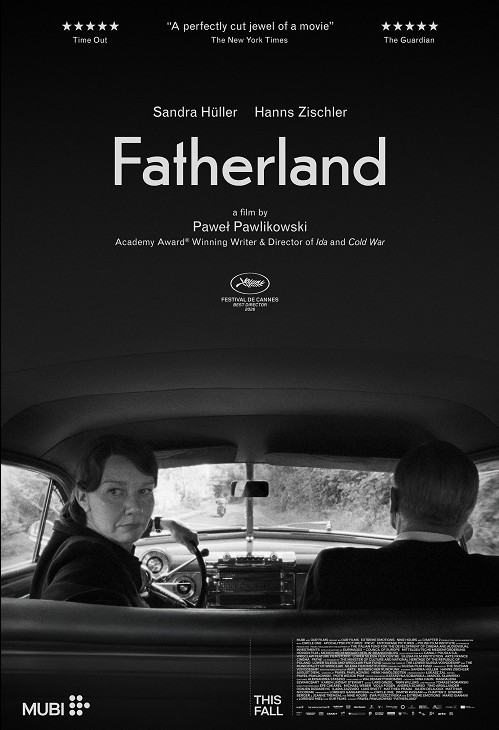
Fatherland centres on the relationship between the Nobel Prize-winning writer Thomas Mann (Hanns Zischler) and his daughter Erika (Sandra Hüller) - actress, writer and rally driver. In the summer of 1949, at the height of the Cold War, father and daughter embark on a challenging and emotional road trip in a black Buick taking them across a Germany in ruins - from US dominated Frankfurt to Soviet controlled Weimar. Returning home after sixteen years of exile in the US, Thomas Mann has to face not only a divided fatherland, but also a deep fracture within his own family.
With Fatherland, Pawlikowski picks up where he left off with his award-winning Ida and Cold War, exploring – in his elliptic, distilled style - the themes of identity, family, love and guilt amid the turmoil and confusion of post-war Europe.
The Garden Cinema View:
Fatherland is an impossibly poised examination of the psychological legacy of World War II on the German psyche. Following literary titan Thomas Mann from West Germany to the communist East, Paweł Pawlikowski raises fascinating questions about complicity, guilt, and the role of an artist. Should great writers be forgiven for being self-absorbed, or feel obliged to be activists?
At the centre of the film is a very realistically drawn relationship between Thomas and his daughter Erika, depicted in all its complexity. The craft is astonishing, from Łukasz Żal’s cinematography to Sandra Hüller’s performance, yet restrained and quiet, making the film all the more impactful.
In an era of unnecessarily long films, here is a lean one that leaves you wanting to linger a little longer over the big philosophical questions it raises.
Book Tickets
|
Fire Festival (18)
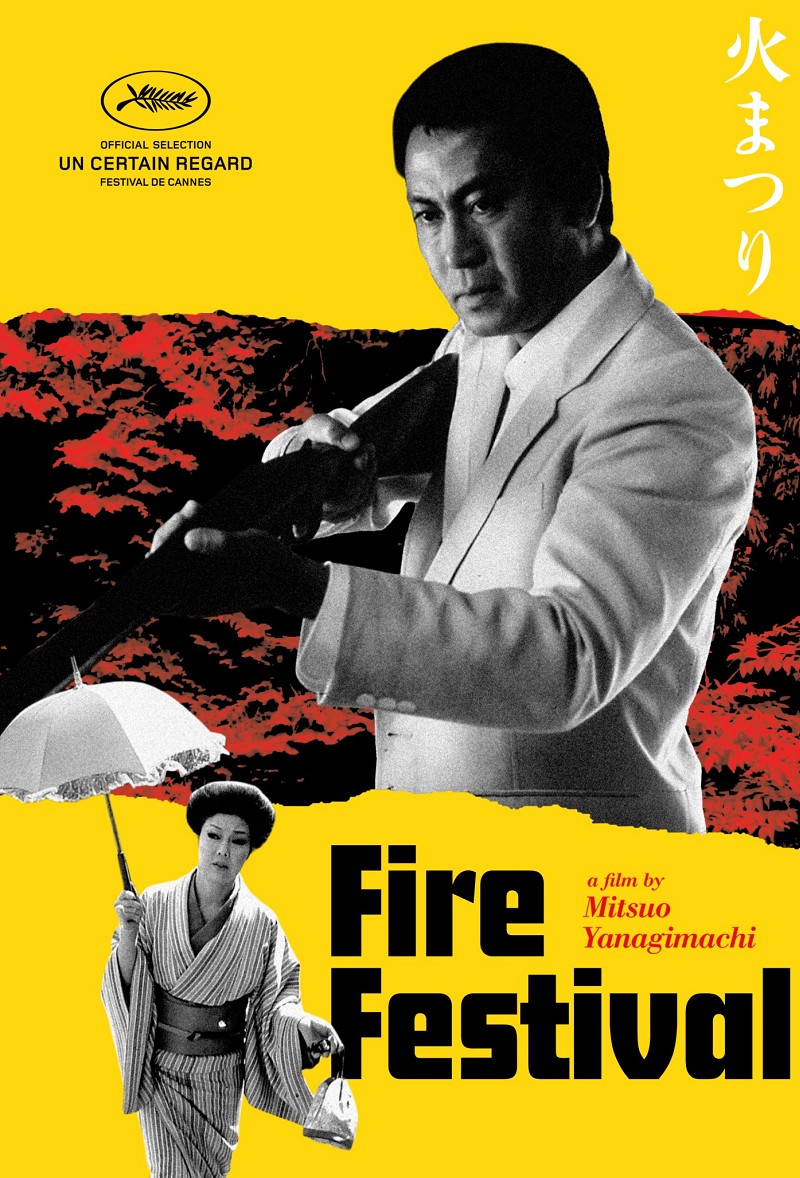
Select Japan is delighted to present an extremely rare screening of Mitsuo Yanagimachi's masterpiece, Fire Festival, which will be available on Blu-ray for the first time via Third Window Films on 7 December.
The screening will be introduced by strand curator George Crosthwait.
Set against the backdrop of Japan’s 1980s economic boom, Mitsuo Yanagimachi's Fire Festival offers a haunting exploration of modernity, spirituality, and humanity’s increasingly fragile relationship with nature.
In a rural seaside village in Mie Prefecture, rugged lumberjack Tatsuo resists efforts to reshape the region through tourism development and the construction of a marine park. Deeply connected to the mountains, forests and local spiritual traditions, he finds himself increasingly isolated as economic pressures and generational shifts transform the community around him. As divisions deepen between mountain and sea dwellers, rumours spread and grievances simmer beneath the surface, with acts of sabotage and environmental degradation foreshadowing an eruption of violence.
A landmark of 1980s Japanese cinema, Fire Festival was screened in the Un Certain Regard section at the 1985 Cannes Film Festival, and remains a mesmerising portrait of a community suspended between ancient beliefs and an uncertain future.
Book Tickets
|
Flight of the Red Balloon (PG)
Filmmaker in Focus: Mark Lee Ping-bing.
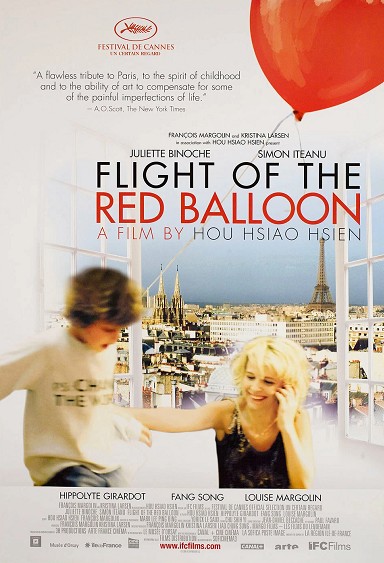
Flight of the Red Balloon is Hou Hsiao-hsien’s first feature filmed outside Asia. Commissioned by Paris’s Musée d’Orsay and inspired by Albert Lamorisse’s beloved 1956 short The Red Balloon, the film transplants Hou’s distinctive cinematic language to Paris. It also marks cinematographer Mark Lee Ping-bing’s first feature shot in France, anticipating his later collaborations with French filmmakers including Tran Anh Hung and Gilles Bourdos, and his continued work on productions filmed in France.
The film follows Simon, a young boy living in Paris with his mother, Suzanne (Juliette Binoche), a busy puppeteer. When Song, a Taiwanese film student, becomes Simon’s new babysitter, she accompanies him through his daily routines. Meanwhile, a mysterious red balloon drifts above the city, quietly shadowing their lives.
In French dialogues with English subtitles.
Flowers of Shanghai + Taiwan night reception (15)
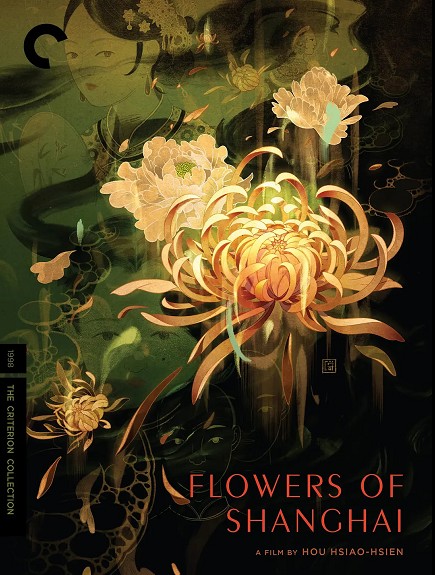
The screening on 4 December will be followed by an in-person Q&A with the cinematographer Mark Lee Ping-bing, moderated by Dr. George Crosthwait, Head Curator at The Garden Cinema, and a Taiwan Cinema Night reception at The Atrium Bar, sponsored by the Ministry of Culture, Taiwan, open to ticket holders for the film.
An intoxicating, time-bending experience bathed in the golden glow of oil lamps and wreathed in an opium haze, this gorgeous period reverie by Hou Hsiao-hsien traces the romantic intrigue, jealousies, and tensions swirling around four late-nineteenth-century Shanghai ‘flower houses,’ where courtesans live confined to a gilded cage, ensconced in opulent splendor but forced to work to buy back their freedom. Among the regular clients is the taciturn Master Wang (Tony Leung Chiu-wai), whose relationship with his longtime mistress (Michiko Hada) is roiled by a perceived act of betrayal. Composed in a languorous procession of entrancing long takes, Flowers of Shanghai evokes a vanished world of decadence and cruelty, an insular universe where much of the dramatic action remains tantalizingly offscreen – even as its emotional fallout registers with quiet devastation.
Filmmaker in Focus: Mark Lee Ping-bing.
Book Tickets
|
Franken-BINGO 2026 (18)
Sick of pumpkin spice lattes and boring costume parties? Wish your spooky season came with a little more 'boo' and a lot more 'bing-ghosts'? This Halloween, The Garden Cinema are once again turning up the jump scares with another night of our highly cinematic Franken-BINGO.
Expect eerie movie clips, ghoulishly good cocktails, and plenty of tricks, treats, and prizes lurking in the shadows. Dressing up is also highly encouraged, as there will be a bonus prize for the best costume of the night!
So grab your broomsticks, dust off your masks, and get ready for a frightfully fun night you won’t forget…
Prizes up for grabs will include cinema vouchers, drinks, and a range of fantastic donations from local businesses, including:
- Vouchers from one of the world’s oldest and leading independent bookshops specialising in Esoterica, Watkins Books
- Hauntingly delicious Sea Buckthorn by Lakrids by Bülow, sure to lure even the most devoted liquorice haters to the dark side this Halloween
- A selection of blu-rays including The Hourglass Sanitorium, Vampire’s Kiss and Two Boxes: Televised Terror in Franco’s Spain, donated by the arthouse icons of Radiance Films
- The board game Escape the Dark Castle, courtesy of the wonderful team at Orcs Nest, Central London’s oldest specialist board game shop
- Iconic T-shirts by our friends at Girls on Tops, featuring the names of your favourite petrifying performers
- An 'Indie Negroni' gift set, featuring High Fidelity’s Bitter Orange, East London Liquor Company’s Gin, and Italo Disco’s vermouth, so you can make perfect creepy cocktails at home
- A bottle of East London Liquor Company’s excellent Blended Whisky, so you can enjoy an autumnal dram as the nights draw in
- A gift set of bone-chilling beers by our favourite Bristol-based Lost & Grounded Brewers
- Goodie bags from London Review of Books, to read by the fire in your gothic castle
- A bottle of Everleaf’s first ever special edition, which combines their classic Forest non-alcoholic aperitif with the deep smoky chilli heat of JD’s Hot Honey for a scarily spicy beverage
- Quad posters of three iconic horror films from our friends at Park Circus including Christine, The Descent and The Terminator
- A selection of bewitching books from our frightening friends at FOPP Covent Garden
- A selection of gruesome goodies by Labour and Wait, whose shop is just lurking around the corner from the cinema
- A range of ravenous reads from our sinister Covent Garden neighbours at Stanfords
- A handmade piece by our in-house spooky ceramicist Magdalene Lepri
Tickets for the event are £10 each, and members can book up to 2 tickets, which means you’re welcome to bring a friend or foe. Due to the nature of the selected video clips from a range of frightening films, the event will be 18+.
Doors will open from 19:30 to enjoy a terrifying tipple or two, with the bingo starting at 20:00. We expect to finish around 23:00, after which there will be a bit more time to stick around for drinks.
Book Tickets
|
Grandma and Her Ghosts (18)
The screening on 23 November will be introduced by Taiwanese illustrator, artist and Garden Cinema team member, Ruby Ya Wen Li.
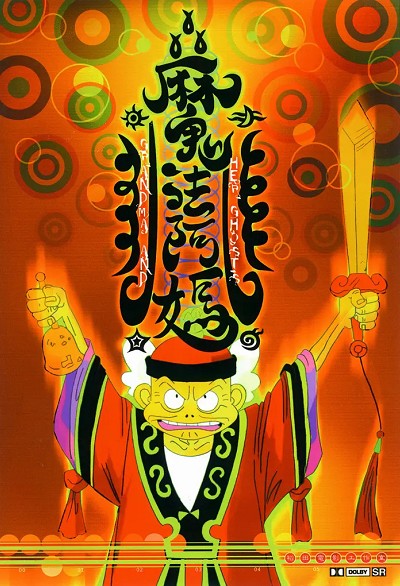
Presented in a new digital restoration, this beloved animation classic is directed by veteran filmmaker Wang Shau-di, who also contributed as a screenwriter to Wang Toon’s 'Modern Taiwan Trilogy'. More than two decades later, its enduring popularity continues, with a long-awaited sequel now in production.
Dou Dou, a five-year-old boy, moves to a small village in Taiwan to spend a holiday with his grandmother, whom he has never met. Used to urban life and missing his parents, Dou Dou soon discovers that his eccentric grandmother, who lives in a mysterious old house, not only interacts with spirits, but also has the unique ability to control them.
Grandma and Her Ghosts is one of the most significant Taiwanese animated films and a box office hit. This story offers a charming insight into the invisible side of life and family ties, blending childhood and the supernatural in a light-hearted and entertaining adventure.
Book Tickets
|
Hill of No Return (18)
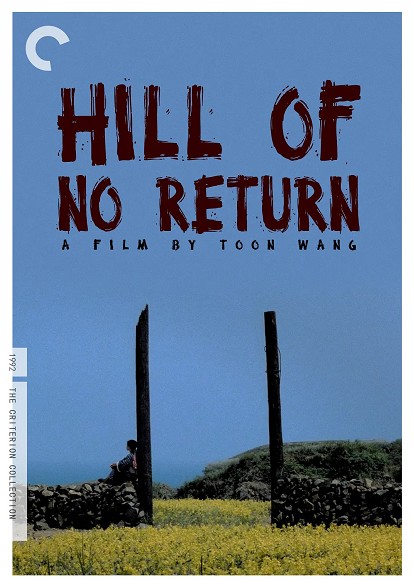
The screening on 13 November will be introduced by Tom Cunliffe (UCL). New restoration.
Hill of No Return (1992) is the final chapter in Wang Toon’s celebrated 'Modern Taiwan Trilogy', preceded by Strawman (1987) and Banana Paradise (1989), which traces the lives of ordinary Taiwanese through the upheavals of Japanese colonial rule (1895-1945) and the early Kuomintang era. Written by renowned filmmaker and screenwriter Wu Nien-jen, the film received Best Feature Film, Best Director and Best Original Screenplay at Golden Horse Awards.
In 1927, two brothers (Peng Chia-Chia, Huang Pin-Yuan) leave home after their parents' death to work at Gold Toad Mountain, a Taiwanese gold mine controlled by the occupying Japanese army. Under its harsh reign, the town's other main industries are prostitution and gold smuggling. One brother marries Ah-Jou (Kuei-Mei Yang), who has survived two husbands, while the other falls for prostitute Fumiko (Mayko Chen). As the Japanese keep searching workers for stolen gold, tensions rise.
In-Edit Cine-Documental: La Marsellesa de los borrachos (PG)
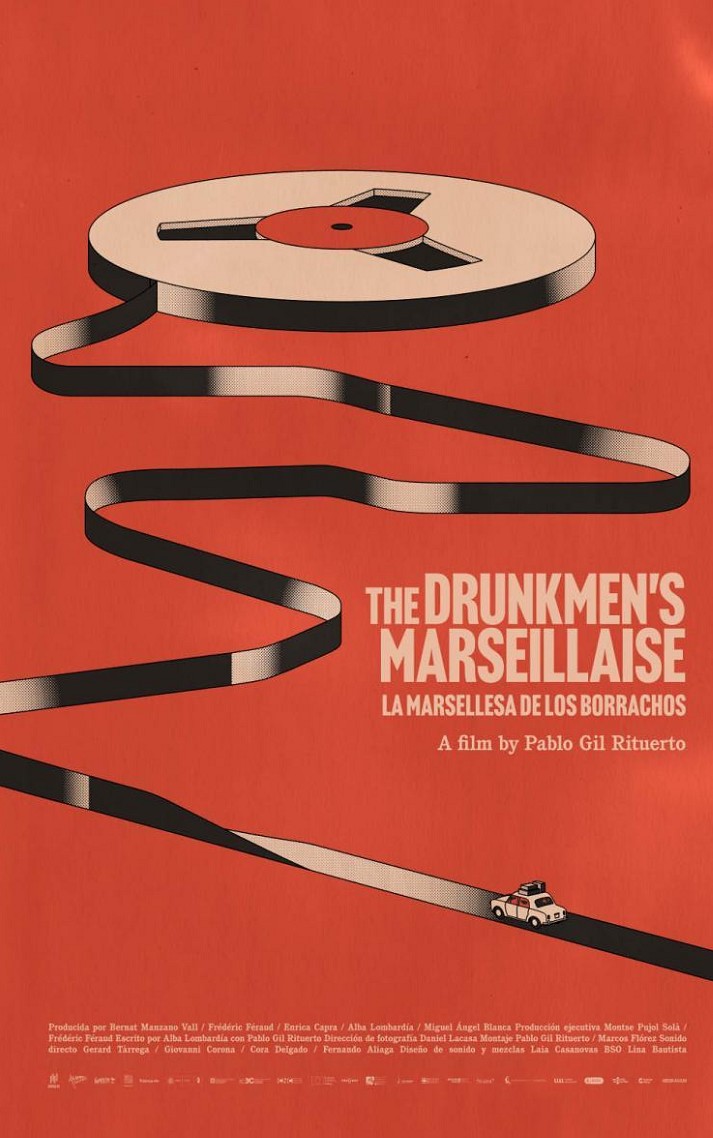
A film crew travels through the roads and villages of northern Spain, retracing the clandestine journey of the Italian ethnomusicology group Cantacronache. In the summer of 1961, at the height of the Franco dictatorship, the group collected popular songs of resistance, preserving the voices of workers, intellectuals, and peasants.
Through oral testimonies, original recordings and photographs from that expedition, and contemporary reinterpretations of the songs they gathered, the film creates a dialogue between the two journeys. The result is an emotional and political geography of a territory where the wounds of the past remain unresolved, revealing how memory, music, and collective experience continue to shape the present.
The film is part of In-Edit Cine-Documental in partnership with Instituto Cervantes.
Book Tickets
|
In-Edit Cine-Documental: La guitarra flamenca de Yerai Cortés (The Flamenco Guitar of Yerai Cortés) (PG)
When Antón Álvarez ("C. Tangana") meets Yerai Cortés, he becomes completely captivated by his talent and intrigued by his family story. Yerai is an unusual figure within the world of flamenco, respected both by the most traditional Romani flamenco communities and by the avant-garde artists of the new wave to which he belongs.
Together, they embark on a journey to record an album whose songs are shaped by profound sorrow. Throughout the creative process, Yerai is confronted with his past and driven to explore a family secret, through which he seeks to reconcile and heal his relationship with his parents.
The result is a film that creates a unique musical experience, immersing audiences in a story of passion, love, and forgiveness. Through music and personal revelation, the documentary explores the transformative power of art and the possibility of redemption through understanding and self-discovery.
This is part of In-Edit Cine-Documental with Instituto Cervantes.
Book Tickets
|
In-Edit Cine-Documental: Omega wants to dance (PG)
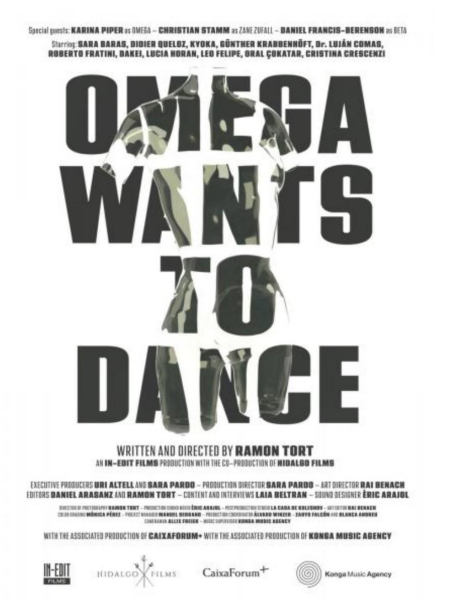
A journey in search of individual and collective identity through dance, music, thought, and spirituality. A constantly shifting point of intersection where pairs such as body and mind, ecstasy and reason, or faith and science take centre stage in an intense and dynamic choreography filled with powerful stories and revealing ideas.
Combining personal testimonies, historical events, fiction, and an electrifying audiovisual collage, the film explores the many dimensions of dancing: entertainment, catharsis, seduction, ritual, personal growth and, ultimately, one of humanity’s most fundamental forms of expression, through which we connect both with one another and with the world around us.
The Instituto Cervantes, in partnership with the IN-EDIT festival, presents the music documentary series “Música para tus ojos” (Music for Your Eyes).
Book Tickets
|
Italian cocktails, Morricone musical intro + Ennio (18)
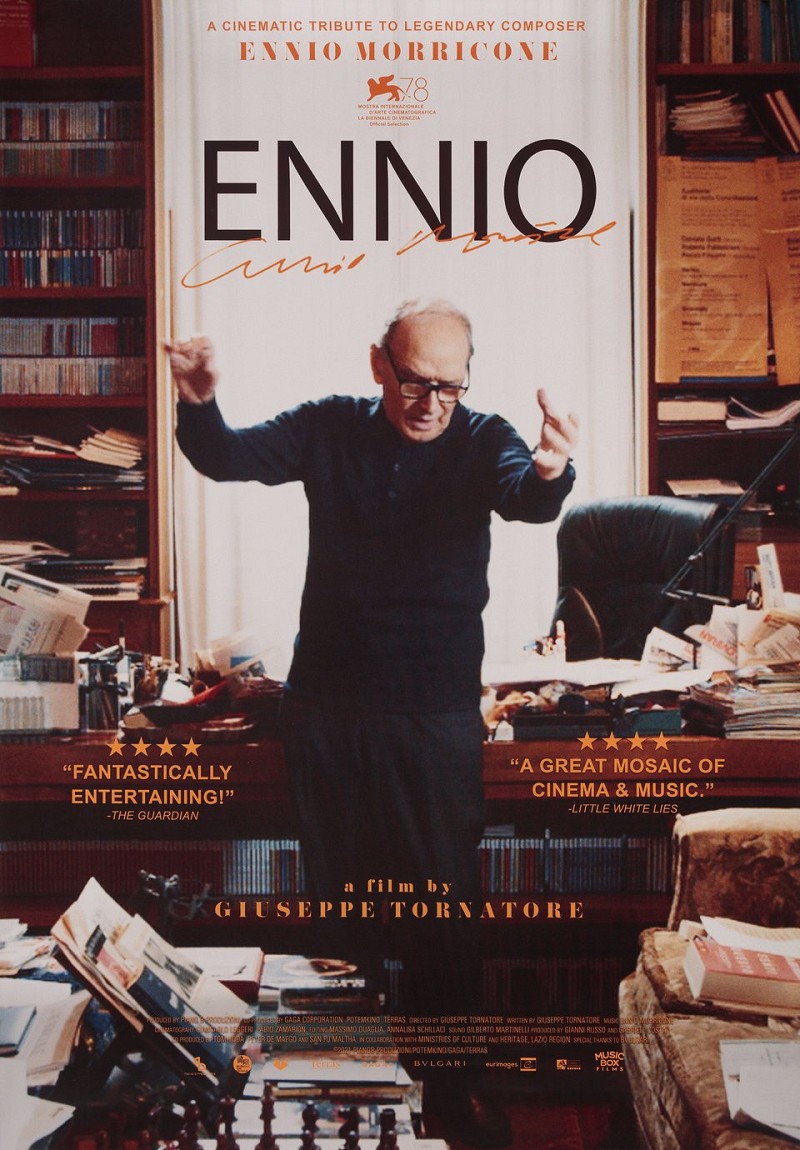
On Friday 13 November members - be they music lovers, Italy enthusiasts, or both - are invited to join us for the next instalment in our Dear Italy strand: a special screening of the documentary about Italy's most-loved film composer, Ennio Morricone. The film, which was directed by Cinema Paradiso's Giuseppe Tornatore, is a love letter to the composer who changed the sound of cinema worldwide while remaining deeply connected to his Italian roots.
The screening will be preceded by a cocktail hour in the Atrium, where we'll fill the bar with a playlist featuring our favourite Morricone pop songs. In honour of the composer's heritage, your ticket will include a complimentary negroni (made with MARTINI Riserva Speciale Rubino) or a non-alcoholic Crodino Spritz.
After the cocktail hour, we'll head into the screen where we'll be joined by pianist, conductor, and Morricone fan Patrick Milne, who will provide a musical introduction to the film by delving into his favourite piece by the composer.
Tickets for the event are available to members only, but are restricted to 2 per member, meaning you can bring one of your amici along for the occasion. They are £18.50 each, which includes a complimentary negroni or Crodino, as well as an allocated seat for the musical introduction & screening.
Event timings:
19:00-20:00 Cocktail hour in the Atrium Bar
20:00-20:15 Musical introduction by Patrick Milne
20:15-22:50 Screening of Ennio
About the musical intro:
Patrick Milne is a pianist and conductor, currently on the music staff at the Royal Opera House, Covent Garden, where he was previously a Jette Parker Young Artist. He has conducted operas and concerts with the Royal Opera, London Handel Festival, Opera North and Scottish Opera orchestras among others. As a pianist, Patrick has performed across Europe and the UK, including on BBC Radio 3 with Ermonela Jaho. In 2022-23 he worked at the Bayerische Staatsoper in Munich as staff pianist and coach on several different opera productions.
About MARTINI Riserva Speciale Rubino:
MARTINI Riserva Speciale Rubino is a bold, full-bodied vermouth that embodies complexity and sophistication. Whether winding down after a busy day or enjoying a spontaneous evening, MARTINI Riserva Speciale Rubino adds a touch of elegance and depth to every occasion.
Book Tickets
|
John Berger at 100: Jonah Who Will Be 25 in the Year 2000 (18)
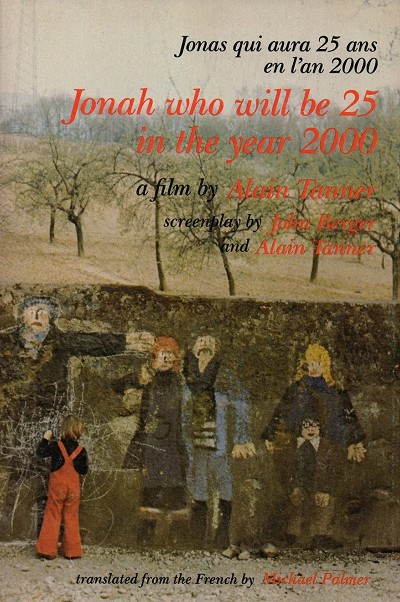
This special 50th anniversary screening will be introduced by Gareth Evans.
This Thursday (5th November) marks what would have been John Berger's 100th birthday. One of the most loved and influential writers - across all forms - of the post-war period, Berger, who died aged 90 in 2017, is most well known for the TV series and book Ways of Seeing. It was, however, just one of 60 books he wrote, across six decades, in a dazzling and mould-breaking body of work. He was also a prolific television broadcaster and wrote three features with the late Swiss director Alain Tanner, of which Jonah... is the greatest, a masterpiece of humane enquiry into how to live and make meaning collectively within a ruthless social and economic order. It has never felt more relevant than it does now.
It follows a disparate group of nonconformists and radicals (whose names each begin with M) from Geneva who gather at a rural retreat to reflect on the aftermath of May 1968 and what the future might hold in the wake of those cultural uprisings. Witty, sensual, moving and prescient, it is "intelligent without being cerebral, political without being dogmatic, cloaking its epic view of history in a wealth of burlesque domestic details, Jonah... is perhaps the most unpretentiously accomplished film yet to describe the revolutionary cultural changes and conservative economic forces that convergently define Western man’s social possibilities." (Jan Dawson, Monthly Film Bulletin). Meanwhile, Pauline Kael in The New Yorker wrote that "the whole film is designed as a collection of little routines. Jonah.. is so ingeniously constructed that one can enjoy it the way one enjoyed Renoir's egalitarian films of the 1930s, relating to each character in turn."
It is showing now as part of nationwide celebrations of Berger's centenary. Further information on other events across London and beyond can be found here.
Thanks to Tom Roeloffs and Jupiter Films.
Book Tickets
|
Julien Donkey-Boy + Discussion with Harmony Korine (15)
Harmony Korine’s Julien Donkey-Boy follows a schizophrenic young man adrift within a deeply dysfunctional family. Its use of grainy, digital video textures and elliptical, fragmented imagery blends abrasive immediacy with moments of unexpected tenderness. The first Dogme 95 film made outside Europe, which reaffirmed Korine’s singular vision while pushing the movement’s stripped-back aesthetics into new, emotionally resonant territory.
The film will be followed by a (video) discussion with Harmony Korine hosted by Leo Krenzer.
Book Tickets
|
Köln Tracks: The Legend Of Keith Jarrett’s Köln Concert + Q&A (18)
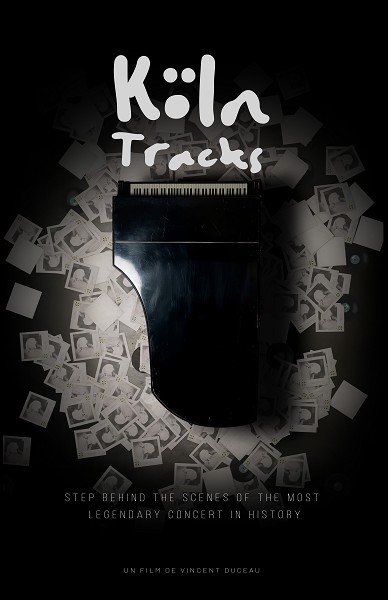
The Köln Concert is one of the most legendary recordings in jazz history - the best-selling solo jazz album ever made. Yet the performance behind it almost didn’t happen.
This fascinating documentary retraces Keith Jarrett’s famous 1975 concert in Cologne Germany, where a series of unexpected obstacles - including a problematic piano and an exhausted musician - nearly caused the event to collapse. Through an investigation into the mysterious instrument and the fragmented memories of those involved, the film explores how a concert expected to be disastrous became an iconic recording. Blending storytelling and inquiry, it reveals how chance, limitation and improvisation can spark moments of extraordinary artistic creation.
The screening will be followed by an online Q&A with the director Vincent Duceau.
Doc’n Roll Film Festival returns to London this autumn for its 13th edition, bringing another exciting selection of music and arts documentaries to cinemas across the city from 22 October to 8 November. Fiercely independent and rooted in a DIY spirit, Doc’n Roll celebrates the artists, outsiders, scenes and stories that shape music culture, spanning genres, generations and musical movements from around the world.
Book Tickets
|
LIAF 2026: International Competition Programme 1- Abstract Showcase (18)
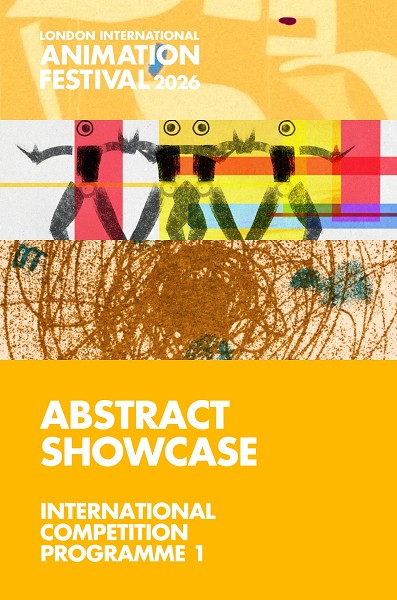
After sorting through a huge pile of 2,300 entries, we’ve curated a selection of 75 outstanding new films from 29 countries. These films range from humorous and dramatic to bizarre, subtle, frightening, and autobiographical. What they all share is our belief that they represent the best of the best. These 8 international competition programmes showcase a variety of techniques, genres, and styles. This is your annual glimpse into the vibrant world of international indie animation.
This programme, the Abstract Showcase, represents our yearly exploration of abstract and experimental animation. It features 14 short films where animators use a wide range of techniques, from hand-drawn "musical scores" to high-definition computer-assisted imagery. Each film reflects a deep passion for animated movement and showcases the artist's skill in using colour and crafting non-narrative visuals to captivate the screen.
LIAF is one of the very few animation festivals in the world to devote an entire programme to abstract and experimental animation. We do this because we believe that the tenets that underpin great abstract animation go to the very heart of what it is to create beautiful, frame by frame animated imagery; a form of animated artmaking with a history that reaches back to the earliest days of animation. Also – we do it because we love abstract animation!!
Several filmmakers will be in attendance to introduce their films at the start of the screening.
Please visit liaf.org.uk for more details
Witch Piss
Melting bodies and fractured anatomy dissolve into a nightmarish collision of animation and found footage. As flesh loses its boundaries, body horror mutates into a fluid confrontation between image, medium, and viewer.
Austria, Germany 2026 Dir: Vera Sebert 9’45
Next Step
Countless original risograph prints improvised to the rhythm of the scores of the Hungarian percussion group, Amadinda.
Hungary 2025 Dir: Tamás Patrovits 5’05
Element #02
Following glowing, constantly moving objects with our eyes brings an instinctive joy.
Japan 2026 Dir: Yuki Kimura 3'25
Impromptu
Proving less is more, an utterly fascinating film made entirely on five wooden boards.
USA 2025 Dir: Steve Subotnick 6’10
Emotion Hazard 1
Exploring the theme of anxiety through a purely compositional approach, serving as a visual interpretation of abstract emotions based on the concept of 'visualising music'.
USA 2025 Dir: Zixuan Zhou 3’45
Cyclotron
A four-and-a-half-minute particle accelerator: colour, shapes, and sounds animated as out-of-phase loops that collide, stretch, and reverse in time.
USA 2026 Dir: Brian Gibson 4’25
Subharmonics
Blooming glimpses of the ever-changing; repetitions that form a circle; keys that can best be found in the depths of the unconscious.
Denmark, Hungary 2026 Dir: Marcell Mostoha 4’55
Symbionts
A beguiling, molten descent into a visceral organic cycle of interaction within an unfamiliar ecosystem.
Switzerland 2025 Dir: Quirijn Dees 9’30
Pictures For Piano (1)
An abstract interpretation of Chopin’s Etude Opus 10 no. 12, made by instinctively improvising imagery onto a pinscreen.
South Africa 2025 Dir: Diek Grobler 3’00
From Something to Nothing
An immersive, audiovisual collage built from more than 3,000 photos of tree bark, moss and organic detail, gathered before the forest was logged. As the images form an experimental patchwork, viewers connect with a living world whose raw material has since vanished.
Austria 2026 Dir: Michael Heindl 6’45
Tintinnabulation I
Colour, light and shape clash and collide in mesmerising ways to the pulsating music of Anton Pearson.
Poland 2026 Dir: Wiesława Ruta 6’50
Dance Of Creation
A vibrant and vivacious world is brought into being in a joyful dance before our very eyes channelling the aesthetics of Neoplasticism.
Israel 2025 Dir: Natalia Ryss 3’15
Métavers II - Pulsation
Sequences generated by a moving virtual camera are layered and blended, creating a unique graphic universe, amplified by the rhythmic electronic music of Eric Delagrave.
Canada 2025 Dir: Marie Delagrave 3’20
Wandering Dot and the Blank Square Page Universe
An immersive visual poem about a journey within a blank page – prompting the question, is a blank page ever really empty?
Belgium, Latvia 2025 Dir: Ieva Lība Ratniece 5’15
Book Tickets
|
LIAF 2026: International Competition Programme 2 - Playing with Emotion (18)
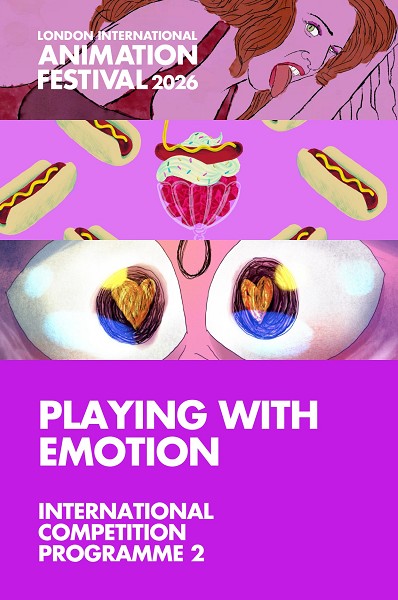
This programme explores the full spectrum of human emotions through 9 captivating films that delve into themes of love, hate, jealousy, sensuality, melancholy, anxiety, confusion, fear, and doubt. Each film is powerful and moving, offering profound insights and striking visuals that resonate with contemporary issues.
Independent animation remains a dynamic and evolving art form, showcasing a stunning array of styles, materials, and techniques - from hand-drawn and paint-on-glass to collage, sculpture, cut-outs, puppetry, abstract forms, and innovative CGI. This year's LIAF highlights the most diverse and exciting developments within this vibrant medium.
After sorting through a huge pile of 2,300 entries, we’ve curated a selection of 75 outstanding new films from 29 countries. These films range from humorous and dramatic to bizarre, subtle, frightening, and autobiographical. What they all share is our belief that they represent the best of the best. These 8 international competition programmes showcase a variety of techniques, genres, and styles. This is your annual glimpse into the vibrant world of international indie animation.
Several filmmakers will be in attendance to introduce their films at the start of the screening.
Please visit liaf.org.uk for more details
The Taste of Pineapple Bread
A young woman returns, through a virtual map, to the world of her childhood in order to once more feel close to her late grandfather — a story about the longing for someone who can no longer be reached.
Switzerland 2026 Dir: Manfei Li 10’20
Ultra Strong (Ultra forte)
Catherine tries to toughen herself to impress the “princes” in her circle, who turn out to be more off-putting than charming. When all her dubious strategies fail, she must face the ultimate test: learning how to embrace her true nature.
Canada 2026 Dir: Catherine Lepage 9’35
Black Box
An elderly photographer pores over old photographs, trying to reconnect his broken memories with the people they depict. A quiet requiem for a bygone era - a reflection on how futile it is to try to preserve people just as they were.
France, Norway 2026 Dir: Anton Dyakov 9’00
2:LOVE
When two ball girls lock eyes on the court of a prestigious tennis tournament, their initial rivalry slowly transforms into a magnetic passion.
Belgium, France 2026 Dir: Ronni Shalev 11’00
Blessed
A tough, no-nonsense Buffalo has always seen himself as strong and fearless. But when his dream of fatherhood comes true, he's suddenly awkward, overwhelmed, and under constant judgment. Can he become the father he's always imagined or will his fears hold him back?
Canada 2025 Dir: Birute Sodeikaite 7’40
My Bellyaching Skin
When my body suddenly started breaking out in a rash, I naturally assumed at first that it was a skin problem. But what if the cause of my itching was actually something to do with my stomach?
France 2026 Dir: Etienne Bonnet 6’10
1981
In suburban Long Island,14-year-old Douglas’s birthday party unexpectedly becomes a lesson in desire, masculinity, and the bewildering rituals of growing up.
USA 2025 Dir: Andy London, Carolyn London 7’45
Gently
A seemingly ordinary childhood seen through the eyes of a little boy, but his fearful home keeps him constantly alert. Inspired by the real childhood memories of several adults.
Czech Republic 2026 Dir: Jamaica Kindlová 8’50
Please
In a big city, several characters in need of affection are looking for a relationship, plunging into situations that are absurd, comical, and moving at the same time.
Finland, Norway, Czech Republic, France, Sweden 2025 Dir: Anna Mantzaris 9’05
Book Tickets
|
LIAF 2026: International Competition Programme 3- Being Human (18)
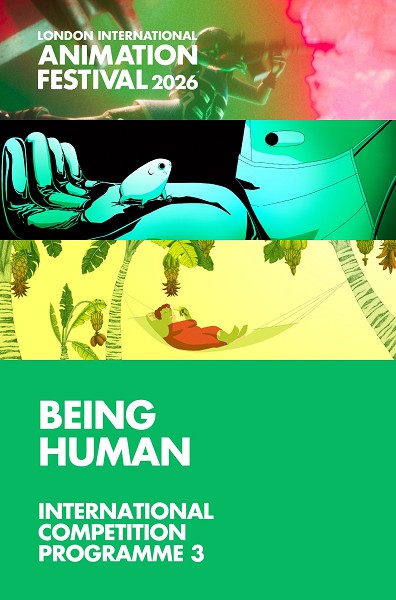
Despite societal pressures, humans still create art, jokes, rituals, experiments….and animated films. Play and imagination are core human capacities that drive innovation and meaning. This programme examines some big life moments and asks some pointed questions. The 9 powerful films include a spotlight on a deaf teenager struggling when out of his comfort zone, a celebration of some of the greatest women throughout history, a speculative docufiction with environmental themes in the face of climate change and several other wondrous tales about love, death, and purpose.
Independent animation remains a dynamic and evolving art form, showcasing a stunning array of styles, materials, and techniques - from hand-drawn and paint-on-glass to collage, sculpture, cut-outs, puppetry, abstract forms, and innovative CGI. This year's LIAF highlights the most diverse and exciting developments within this vibrant medium.
After sorting through a huge pile of 2,300 entries, we’ve curated a selection of 75 outstanding new films from 29 countries. These films range from humorous and dramatic to bizarre, subtle, frightening, and autobiographical. What they all share is our belief that they represent the best of the best. These 8 international competition programmes showcase a variety of techniques, genres, and styles. This is your annual glimpse into the vibrant world of international indie animation.
Several filmmakers will be in attendance to introduce their films at the start of the screening.
Please visit liaf.org.uk for more details
Daughters of the Late Colonel
After the death of their ill-tempered and controlling father, two middle-aged sisters find themselves at a loss. An unexpected visitor sparks the courage in them to begin their lives anew. A merry, rude, and lyrical adaptation of the modernist short story written by Katherine Mansfield in 1920.
UK 2026 Dir: Elizabeth Hobbs 9’00
Bonefuzz
Vajk, a deaf teenager, controls his connection to the world through his hearing aid. His older brother drags him out of his comfort zone and takes him to a concert by a mysterious band. In the crowd, he loses control and gives himself over to the rhythm as he discovers his inner voice.
Hungary 2026 Dir: Márk László 10’15
This is your Captain Speaking
If you could fly for one day, what would you do? A group of neighbours answer this question as we follow their flight.
Netherlands, Belgium 2026 Dir: Nienke Deutz, Digna Van Der Put 14’10
Bisou Sauvage
As world tragedies pile up, a bored couple is looking for their next distraction.
Canada 2026 Dir: Bahij Jaroudi 2’50
Virgin Fandango
A short musical, using a novel technique of animated azulejos (painted tiles), featuring a rebellious Mary and the celebrated women of history in the struggle for equality.
Canada 2026 Dir: Marcy Page 10’45
Gherking
The dictator's shouts are broadcast over the radio to every corner of the country. A fire is flickering in the stove and an old woman makes provisions for the approaching winter.
Switzerland 2026 Dir: Claudius Gentinetta 7’20
In The Beginning
Legless birds of paradise, the great hamster cull and tardigrades on the moon. A surreal story inspired by real events, a short look at the human strive for preservation through controlling the narrative.
Poland, Portugal, Spain 2026 Dir: Ala Nunu 11’00
Mine!
Deep underground in an early 20th century coal mine a group of miners make an incredible discovery
USA 2025 Dir: Louis Morton 8’55
Acid City
A dystopian future that’s ever nearer, Acid City floats in toxic waters and is left to its own devices. But under the boiling sun, the city weaves together its own social fabric.
USA 2025 Dir: Jack Wedge, Will Freudenhein 12’30
Book Tickets
|
LIAF 2026: International Competition Programme 4- From Absurd to Zany (18)
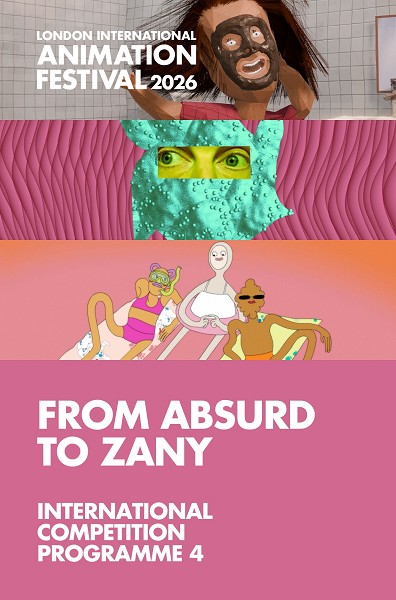
This programme, From Absurd to Zany, celebrates some of the funniest, weirdest and eye-poppingly nutty films that were entered this year. Forget the mainstream. This is the strange stuff - the offbeat, unruly and gloriously unhinged shorts that live somewhere beyond the edges of normal. Expect deadpan madness, surreal detours, twisted laughs and beautifully bonkers ideas. Come curious. Leave slightly confused.
Independent animation remains a dynamic and evolving art form, showcasing a stunning array of styles, materials, and techniques - from hand-drawn and paint-on-glass to collage, sculpture, cut-outs, puppetry, abstract forms, and innovative CGI. This year's LIAF highlights the most diverse and exciting developments within this vibrant medium.
After sorting through a huge pile of 2,300 entries, we’ve curated a selection of 75 outstanding new films from 29 countries. These films range from humorous and dramatic to bizarre, subtle, frightening, and autobiographical. What they all share is our belief that they represent the best of the best. These 8 international competition programmes showcase a variety of techniques, genres, and styles. This is your annual glimpse into the vibrant world of international indie animation.
Several filmmakers will be in attendance to introduce their films at the start of the screening.
Please visit liaf.org.uk for more details
I Have A
A man lists the things that he has.
UK 2026 Dir: Rory Waudby-Tolley 4’40
Paradaïz
Welcome to a place where the houses have holes, tomatoes are ticking time bombs and snails wander the streets in search of a safe space.
Canada 2025 Dir: Matea Radic 9’25
Little Boarlet
A little story about a little boarlet.
Japan 2026 Dir: Atsushi Wada 3’35
Unidentified Nonflying Objects
When the world beyond a carefully controlled order begins to seep through its walls, stability starts to rot from within. As reality takes root like wild organic growth, the system faces an inevitable collapse.
Germany 2026 Dir: Sasha Svirsky 12’05
Mucky
In a world where pigs live much like humans, two old pig friends chat over pints when one reveals a radical new life choice: she's stopped wearing clothes and returned to wallowing in mud, just like her ancestors.
UK 2026 Dir: Christa Jarrold 1’25
Funfair
A young woman struggles with the challenges of adulthood and her aching wisdom tooth. Her inner struggles come to life in a surreal amusement park.
France, Hungary 2026 Dir: Éva Darabos 13’00
Time Flies
A snail is crushed by a car, a dog defecates while a tourist jumps from the tallest skyscraper in the world. A series of slices of everyday life spirals into chaos, culminating in the destruction of daily monotony.
Italy, Belgium, Portugal, Finland 2026 Dir: Tommaso Zerbi 4’35
Babyface
Spoon finds a coupon!
UK 2026 Dir: Sacha Beeley 5’55
Quantum Jump
In a surreal mansion, a servant to enigmatic twins breaks free from their conditioning and outsmarts them - only to plunge into a magical orchard where reality decays into echoes. Amid the ruins of meaning, he discovers the strange promise of renewal.
Czech Republic 2026 Dir: Šimon Mészáros 10’20
Five Orphans
Five orphans walk along a ditch and find dead bodies in a society where protests against the government are on the rise.
France, Japan, Germany 2026 Dir: Sarina Nihei 11’10
A Pint of Bitter
You are trying to enjoy a quiet pint in the pub but a patron and his son seemingly have a problem with your demeanour.
Ireland 2025 Dir: Conor Kehelly 9’00
Book Tickets
|
LIAF 2026: International Competition Programme 5- Into the Dark (18)
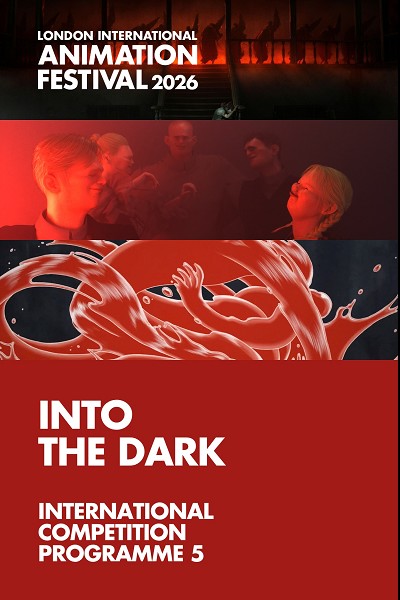
Welcome to our annual deep-dive into the dark heart of animation. Enter a world of creepy, twisted and gloriously unsettling shorts where nightmares take shape, reality fractures and the strange turns sinister. Expect eerie encounters, savage surprises and images that stick with you long after the lights come up. Bring your darkest curiosity. Leave your comfort zone at the door.
Independent animation remains a dynamic and evolving art form, showcasing a stunning array of styles, materials, and techniques - from hand-drawn and paint-on-glass to collage, sculpture, cut-outs, puppetry, abstract forms, and innovative CGI. This year's LIAF highlights the most diverse and exciting developments within this vibrant medium.
After sorting through a huge pile of 2,300 entries, we’ve curated a selection of 75outstanding new films from 29 countries. These films range from humorous and dramatic to bizarre, subtle, frightening, and autobiographical. What they all share is our belief that they represent the best of the best. These 8 international competition programmes showcase a variety of techniques, genres, and styles. This is your annual glimpse into the vibrant world of international indie animation.
Several filmmakers will be in attendance to introduce their films at the start of the screening.
Please visit liaf.org.uk for more details
Homemade Gatorade
A woman embarks on a late night road trip to deliver homemade Gatorade to a mysterious online buyer.
USA 2026 Dir: Carter Amelia Davis 9’05
What We Leave Behind
Dan has a gaping hole in his neck that won't heal. Why? He can't remember, nor talk about it. Back in the sinister arena of his childhood, he must find the part of himself he once left behind that prevents him, now an adult, from being whole.
Canada 2025 Dir: Jean-Sébastien Hamel, Alexandra Myotte 10’50
Melk
After Charel kills his mother’s favourite fish, he runs away from home. When he returns, determined to make amends, all hell breaks loose.
Belgium 2026 Dir: Filip Anthonissen 14’20
God is Shy
During a train ride, Ariel and Paul pass the time sketching their deepest fears. Their game takes an unexpected turn when Gilda, a mysterious passenger, intrudes on their exchange. Yet, her relationship with fear seems far less innocent than their playful drawings.
France 2025 Dir: Jocelyn Charles 15’35
Dinner
Two lovers meet over a bizarre dining experience.
South Korea 2026 Dir: Haeji Jeong 5’00
The Quinta's Ghost
A meditation on art, madness, and mortality, illustrated though the final years of Spanish master artist Francisco de Goya
Spain 2025 Dir: James A Castillo 17’10
Jelly Baddies
Jelly Baddies make new friends; Jelly Baddies having fun.
Canada 2026 Dir: Ivan Li 20’30
Book Tickets
|
LIAF 2026: International Competition Programme 7: Animated Documentaries + Panel (18)
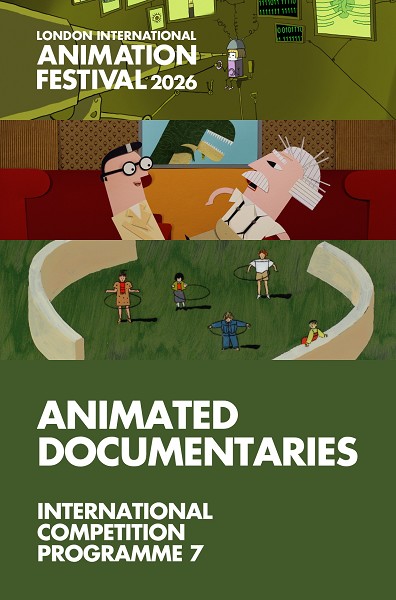
Persuasive, illustrative and able to get over abstract details in attractive and compelling ways, animation is the perfect tool to document someone’s vision of the truth. This past decade has seen a boom in non-fiction films that use animation to tell their stories and LIAF has been one of the vanguards with our annual showcase dedicated to the documentary form dating back to 2008. This year’s programme features 10 of the best true life stories coupled with mind-blowing imagery.
Independent animation remains a dynamic and evolving art form, showcasing a stunning array of styles, materials, and techniques - from hand-drawn and paint-on-glass to collage, sculpture, cut-outs, puppetry, abstract forms, and innovative CGI. This year's LIAF highlights the most diverse and exciting developments within this vibrant medium.
After sorting through a huge pile of 2,300 entries, we’ve curated a selection of 75 outstanding new films from 29 countries. These films range from humorous and dramatic to bizarre, subtle, frightening, and autobiographical. What they all share is our belief that they represent the best of the best. These 8 international competition programmes showcase a variety of techniques, genres, and styles. This is your annual glimpse into the vibrant world of international indie animation.
Following the screening there will be a panel discussion with some of the filmmakers.
Please visit liaf.org.uk for more details
Good Luck to you All
A young girl plays with her toys, unaware that she may be holding humanity’s future in her hands… As the voices of experts swirl around her, the question remains: which is the bigger threat - artificial intelligence or human nature?
Canada 2025 Dir: Cordell Barker 8’15
The Thrift Store Photograph
I bought a photograph in a thrift store in 1982 because it reminded me of a scene in Blade Runner.
USA 2026 Dir: Tom Schroeder 6’15
Noguchi’s New York - Animated Playgrounds
Five short animations reinterpreting Isamu Noguchi’s unrealised children’s sculptural playgrounds from the 1930’s to 1960’s.
UK 2026 Dir: Nicolas Ménard, Jack Cunningham 4’15
Uncle Filmi
A lively family gathering for full-body hair removal is stormed by Islamic revolutionary guards. They are looking for video tapes of banned Hollywood movies.
Germany 2026 Dir: Nazgol Kashani 13’55
This Feminine Side
Femininity, defined and reimagined, through Lisbon’s queer voices and mixed-media art.
Belgium, Finland, Portugal 2025 Dir: Alice Siniscalchi 7’25
It Might Even Be Real
Investigating the mechanisms at the heart of cinema and animation, an Israeli animator seeks to convince her mind to embrace the illusion of hope—just as it embraces the illusion of movement.
Israel 2025 Dir: Yael Bonne 7’10
Christine Sinclair: Kind of a Big Deal
An intimate story about the most prolific goal scorer in international soccer history, and the power of quiet leadership.
Canada 2026 Dir: Eoin Duffy 8’45
The Flames of Me (Je m'appelle Daniel)
Created with fire and soot, this animated short recounts one man’s journey through shadow and light after being diagnosed with bipolar disorder in his thirties.
Canada 2026 Dir: Daniel Léger 10’00
Mr. Why
A short film about logic and time travel starring the most important logician in modern world history, Kurt Gödel, close collaborator of Albert Einstein.
Czech Republic 2026 Dir: Jan Cechl 6’20
Nonna Lucia
My grandmother Lucia died and left behind many objects. Many, many objects.
Switzerland 2026 Dir: Marcel Barelli 7’00
Book Tickets
|
LIAF 2026: International Competition Programme 8 - Long Shorts (18)
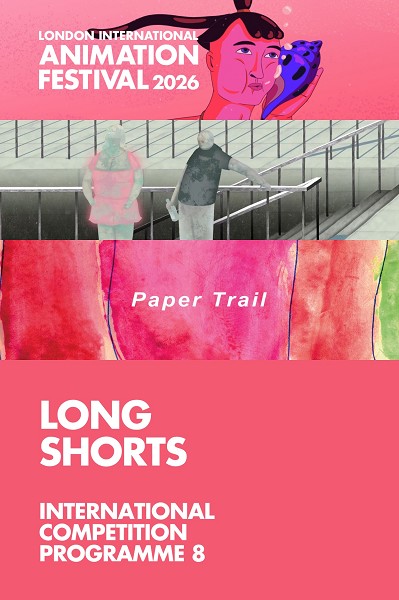
Some stories refuse to be rushed. They need time to unfold, their worlds to deepen and their ideas to settle in. In a culture of ever-faster viewing, these films invite us to slow down—to look closer, think longer and become fully immersed in stories that reward our attention.
This competition programme celebrates the best of the longer short film: 6 ambitious films with the space to breathe, linger and take us somewhere unexpected. 6 longer shorts. 6 rich, complex worlds. Take your time.
Independent animation remains a dynamic and evolving art form, showcasing a stunning array of styles, materials, and techniques - from hand-drawn and paint-on-glass to collage, sculpture, cut-outs, puppetry, abstract forms, and innovative CGI. This year's LIAF highlights the most diverse and exciting developments within this vibrant medium.
After sorting through a huge pile of 2,300 entries, we’ve curated a selection of 75 outstanding new films from 29 countries. These films range from humorous and dramatic to bizarre, subtle, frightening, and autobiographical. What they all share is our belief that they represent the best of the best. These 8 international competition programmes showcase a variety of techniques, genres, and styles. This is your annual glimpse into the vibrant world of international indie animation.
Several filmmakers will be in attendance to introduce their films at the start of the screening.
Please visit liaf.org.uk for more details
Adgwa-Ata
Abducted into a jungle tribe’s brutal initiation, three adolescent girls enter a divine dimension - where taming their soul animals, giant snakes become the only path to adulthood.
Hungary, France 2026 Dir: Zsuzsana Kreif 15’10
Paper Trail
What does the trail we leave on paper over the course of a lifetime say about us? In a vertiginous flow of marks, words and drawings, Paper Trail reconstructs an entire life through fragments of paper alone – from childhood scribbles to school exercises, notes, forms and signatures – tracing the evolution of handwriting and identity.
USA 2025 Dir: Don Hertzfeldt 14’10
Frankenstein's Dream
Do we control technology and language,or are they parasites that use us as a host and breeding ground? In Frankenstein’s Dream strange satellites release spores over foraging humanoids. The infected creatures struggle towards speech, but the technology demands a bloody price.
Belgium, Netherlands 2025 Dir: Simon Pummell 14’00
Motherhood
The female body and the mystery of creating new life, as well as the bond between mother and child, are at the heart of humanity.
Belgium, France, Romania 2026 Dir: Anca Damian 17’50
Of Pigeons and Dogs
A young man drifts further into an existential despair. Surrendering to loneliness and overwhelmed by financial hardship, he drifts through life in a daze until he is driven to commit a senseless crime.
Croatia, Germany 2026 Dir: Malte Stein 20’00
Like a Fairy Tale
After a long absence, Stasia returns to her hometown. She missed her father's funeral and is reunited with her sister, with whom she struggles to communicate. While dealing with her family issues, Stasia encounters a group of locals on the road who take her on a strange, hypnotic night-time journey.
France, Luxembourg 2025 Dir: Kirill Khachaturov 16’10
Book Tickets
|
LIAF 2026: Jinsei- Animated Feature Film UK Premiere (18)
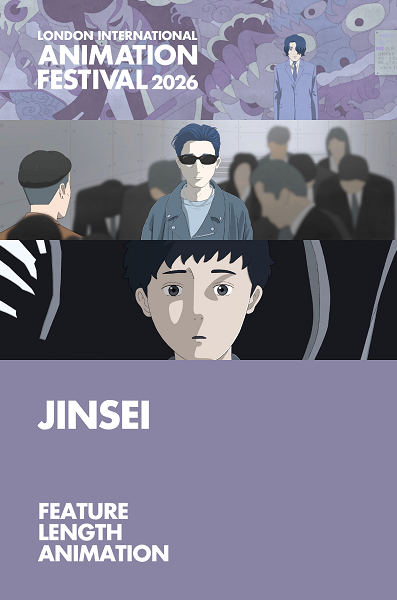
What if one life could contain a hundred different lives? Ryuya Suzuki’s Jinsei follows an unnamed man from bullied schoolboy to aspiring J-pop idol, outcast, leader and oracle, with each new chapter bringing a new name - and a whole new reality. What begins as an intimate coming-of-age story soon hurtles into something much stranger: social satire, revenge drama, dystopian sci-fi and existential fever dream.
And then there’s the animation. Suzuki wrote, directed, drew, edited and scored the entire 93-minute film himself, completing this wildly ambitious debut in just 18 months. The result is raw, lo-fi and gloriously unpredictable - a handmade universe that can veer from tenderness to violence, pop culture absurdity to cosmic speculation without warning.
Forget everything you think you know about Japanese animation. Jinsei is an exhilarating one-man trip through fame, identity, catastrophe and the strange business of being alive. Come for the J-pop, stay for the apocalypse - and see where Suzuki takes you next.
Ryuya Suzuki - Director's Bio:
Born in 1994 in Sendai, Miyagi Prefecture, Japan. After graduating from the Film & Media Department at Tohoku University of Art and Design, Suzuki initially aspired to become a live-action film director but found himself working as a manager at an oyster bar in Kabukicho, Tokyo. During the COVID-19 pandemic, he began teaching himself animation, resulting in two acclaimed independent short films - Mahoraba and Lawless Love - which went on to receive numerous awards at domestic indie film festivals. In 2022, his omnibus collection Ryuya Suzuki Short Films: Three Men was released theatrically. His feature-length animation debut, Jinsei, was entirely hand-drawn by Suzuki alone at his family home in Sendai, funded through crowdfunding. It is a true one-person achievement. As well as writing and directing Jinsei, Suzuki also composed the music and sound design and is the film’s editor.
Book Tickets
|
LRB/London Reviewed: Spider (2002) with Peter Suschitzky (15)
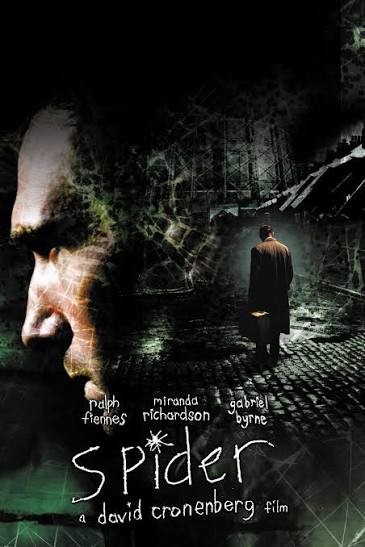
Introducing Spider, and discussing it afterwards with regular host Gareth Evans, will be its award-winning cinematographer Peter Suschitzky, who shot 11 of Cronenberg’s films, including Dead Ringers, Naked Lunch, Crash – and Cosmopolis, which is showing here on 17 November, to mark Don DeLillo’s 90th birthday.
The latest season of LRB Screen at the Garden Cinema, which has explored visions of London created by non-British filmmakers, concludes with David Cronenberg’s Spider. The first of two films made in the city by Cronenberg, it was adapted to chilling effect by Patrick McGrath from his own 1990 novel of the same name.
‘Spider’, born Dennis Cleg (in a riveting performance by Ralph Fiennes) returns from a psychiatric hospital to a halfway house in the East End, not far from where he grew up – the site of a long-buried but catastrophic trauma. Lodging under the surveillant eye of landlady Mrs. Wilkinson (Miranda Richardson), he paces the abandoned canals and towpaths that retain his childhood memories, slowly realising what happened all those years ago…
Filmed across East, South-East, and North London in pre-gentrified locations, from the domestic to the post-industrial, Spider is genuinely haunting, an unsettling portrait of a psyche in freefall, where the borders between place and personality start to break down. Despite its premiere at Cannes, and critical acclaim, Spider – not screened here for many years – is one of Cronenberg’s least familiar titles, due in part to its very limited original release. Peter Travers wrote in Rolling Stone that ‘what catches us in Spider‘s web ... is the director’s sympathy with this freak man-child who struggles to order his confused memories into a kind of truth. That’s what makes Cronenberg a world-class provocateur: his movie gets under your skin.’
Book Tickets
|
La Bola Negra (15)
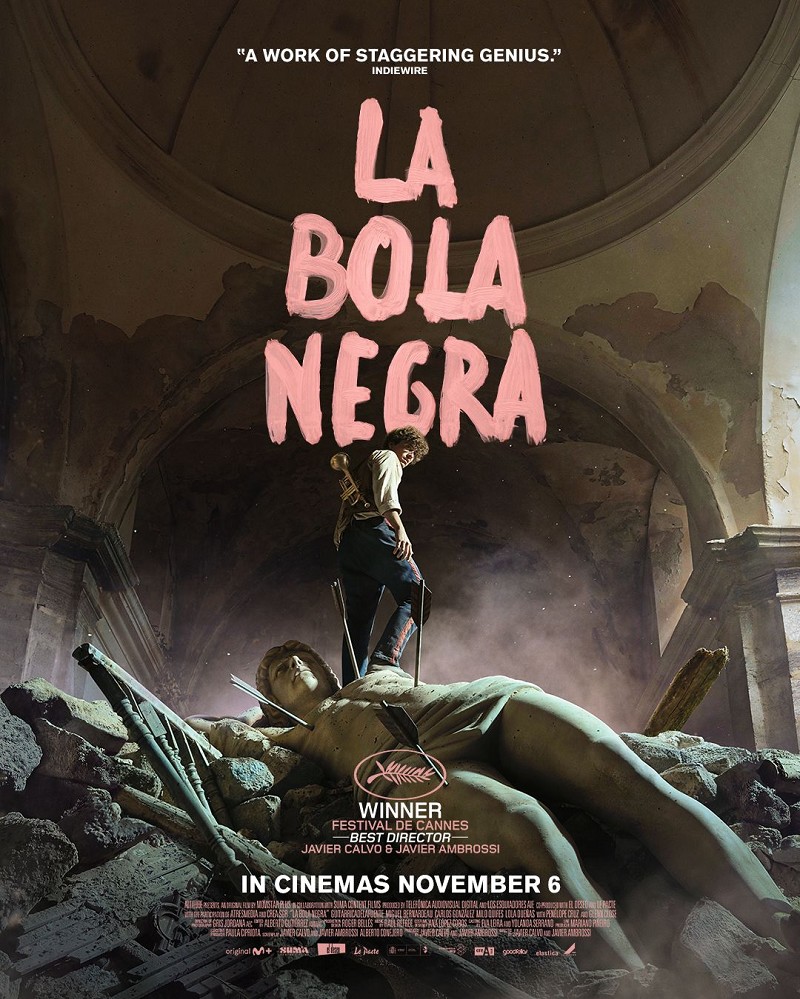
La Bola Negra tells the story of three men whose lives are intimately connected through desire, pain and inheritance, across three different eras – 1932, 1937, and 2017. Rich with Federico García Lorca's poetry and suffused with desire, grief and hope, it is an intimate love story and a sweeping exploration of memory, inheritance, and queer history, honouring those whose lives and loves were too often forced into silence.
The Garden Cinema View:
This decade-spanning epic draws together the atrocities of the Spanish Civil War, the work of Federico García Lorca, and the uneasy inheritance from this period for contemporary artists and historians. Entwined within the buried shame of the Pact of Forgetting, co-directors ‘Los Javis’ suggest, is a repressed lineage of queer storytelling and freedom that withered after Lorca’s appalling murder by fascists in Granada in 1936. This is now excavated and boldly brandished across three timelines in thrillingly melodramatic style (Lorca would be pleased). A tender connection between a Republic prisoner and an unwilling Nationalist soldier (a stand out film debut for musician Guitarricadelafuente) channels the sweep of The English Patient with the homoerotic charge of Beau Travail. A beautiful young gay man attempts to gain membership of a Kafka-esque casino in early 30s Granada. And a lapsed-playwright in 2017 ties the threads together with papers received from his recently deceased grandfather.
La Bola Negra paints its ambitious narrative in bold colours and strong emotions, with several dazzling set-pieces (including a soon-to-be iconic sequence featuring Penélope Cruz). Having already picked up the directing prize at Cannes, it is a serious player for the upcoming awards season.
Le Moulin + Q&A (18)
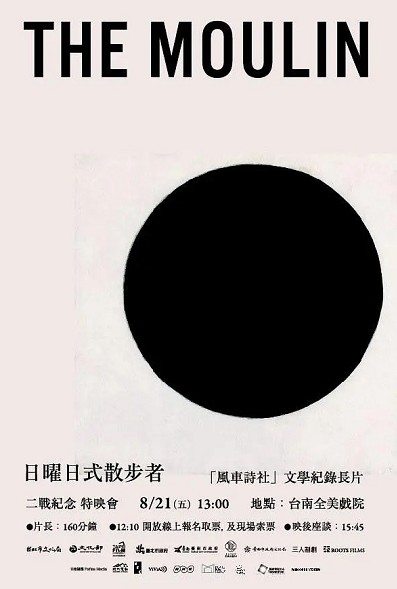
The screening on 22 November will be followed by an online Q&A with the director Huang Ya-li, moderated by Dr. Kiki Yu (Queen Mary). In Japanese with English subtitles.
Le Moulin is Huang Ya-li’s first feature and winner of the Best Documentary award at the Golden Horse Awards. Blending archival footage, reenactments, poetry and sound, Huang constructs an evocative film essay that revisits a little-known chapter of Taiwan’s cultural history.
In 1930s Taiwan, under Japanese colonial rule, a group of young poets founded the Le Moulin Poetry Society. Inspired by Western modernism and French Surrealism, they sought to forge a new poetic language amid cultural assimilation and colonial domination. Through their writings, lives and encounters with foreign influences, the film resurrects a forgotten generation of artists negotiating identity, creativity and resistance in a turbulent era.
Book Tickets
|
London Baltic Film Festival presents: Hunger Strike Breakfast (UK premiere) (18)
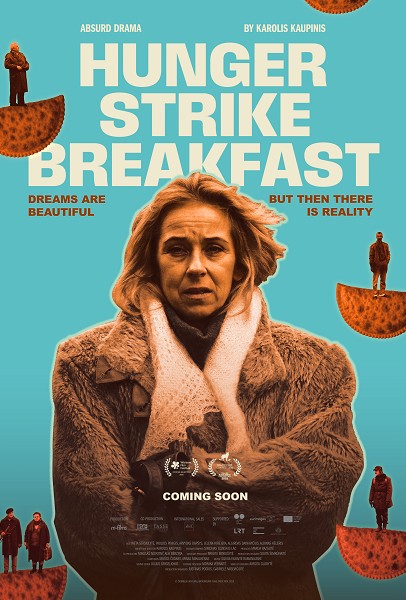
In the early '90s, Lithuanian TV star Daiva loses her job as TV studios are taken over by Russian soldiers. Unable to chase the armed men away, Daiva decides to declare a hunger strike in a trailer facing the occupied TV station. Only a handful of people join, and the soldiers cannot care less. Merely a day into the strike, reclaiming the TV already seems like a lost fight. As hunger grows, the strikers realise what they are truly starving for - confession and human warmth.
The film is inspired by real events. It premiered at the Tallinn Black Nights FF (in competition) and was one of the highlights at this year's Lithuanian Film Awards.
Details about Q&A will be confirmed soon.
The London Baltic Film Festival, a showcase of the latest films from Estonia, Latvia & Lithuania, is the UK’s only celebration of cinema from the three Baltic countries, offering a unique lens into the filmmaking, the people, history, and culture of the three nations.
The festival is supported by the Embassy of Estonia, Embassy of Latvia, Embassy of Lithuania, the Estonian Film Institute, National Film Centre of Latvia, and Lithuanian Film Centre.
This is the sixth edition of the LBFF. Don’t miss out on experiencing Baltic cinema on the big screen.
Book Tickets
|
London Baltic Film Festival presents: Our Erika (UK premiere) (18)
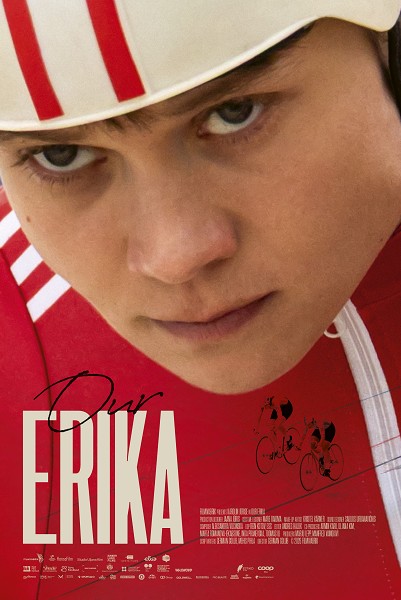
An inspiring biopic of Estonian Olympic track bicycle racer Erika Salumäe, who overcomes a painful childhood, personal hardships, and the pressures of the declining Soviet regime to become an Olympic champion. Driven by an intense desire to succeed, and to be loved, Erika transforms from a troubled young woman into a national hero.
Details about Q&A will be confirmed soon.
The London Baltic Film Festival, a showcase of the latest films from Estonia, Latvia & Lithuania, is the UK’s only celebration of cinema from the three Baltic countries, offering a unique lens into the filmmaking, the people, history, and culture of the three nations.
The festival is supported by the Embassy of Estonia, Embassy of Latvia, Embassy of Lithuania, the Estonian Film Institute, National Film Centre of Latvia, and Lithuanian Film Centre.
This is the sixth edition of the LBFF. Don’t miss out on experiencing Baltic cinema on the big screen.
Book Tickets
|
London Baltic Film Festival presents: Ulya (UK premiere) (18)
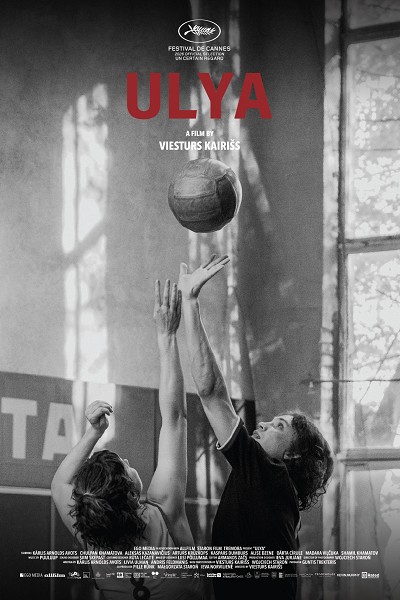
In 1964, Ulya, an Old Believer teenage girl nearing two meters tall, grows up on a faraway country farm. Her unusual height troubles her family, who wonder if there’s a place for her in the world. When her class photo reaches basketball coaches, Ulya is whisked to Riga to join a famous basketball team. Struggling with her height and identity, she trains hard, but realises basketball can’t fulfil her dream of a normal life. After fleeing back home, Ulya discovers both village life and basketball see her only for her towering height. Accepting herself, she faces a choice: hide or aim to be the best basketball player in the world.
The film premiered at the Cannes Film Festival this year and is inspired by the true story of the legendary Latvian basketball player Uljana Semjonova, winner of two Olympic Gold medals, a number of championships from 1968–1989, and an inaugural member of the Women’s Basketball Hall of Fame.
Latvia's official submission for the Academy Award for Best International Feature Film.
Details about Q&A will be confirmed soon.
The London Baltic Film Festival, a showcase of the latest films from Estonia, Latvia & Lithuania, is the UK’s only celebration of cinema from the three Baltic countries, offering a unique lens into the filmmaking, the people, history, and culture of the three nations.
The festival is supported by the Embassy of Estonia, Embassy of Latvia, Embassy of Lithuania, the Estonian Film Institute, National Film Centre of Latvia, and Lithuanian Film Centre.
This is the sixth edition of the LBFF. Don’t miss out on experiencing Baltic cinema on the big screen.
Book Tickets
|
London Palestine Film Festival presents Gaza's Twins, Come Back to Me (18)
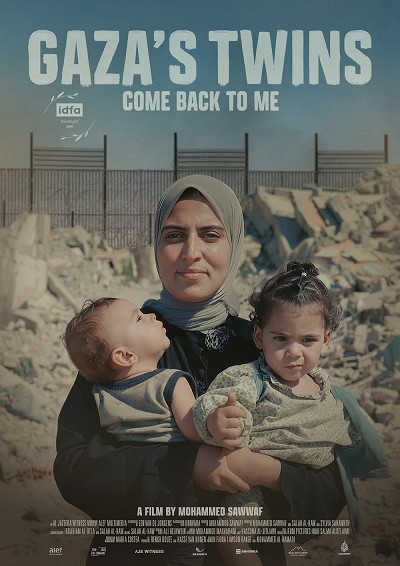
Gaza, November 2023: Rania gives birth to triplets. One of the babies dies, while the surviving twins are evacuated to the south, separated from their mother, who remains trapped in the north.
Over sixteen months, the film follows the parallel lives of mother and twins. The children grow before the camera’s eye, taking their first steps and speaking their first words against a backdrop of explosions, moving from tent to tent, clinging to life and longing for their mother’s embrace. Rania, meanwhile, endures displacement, hunger and the aching wait for reunion, separated from her babies by military checkpoints and destruction.
Through intimate, real-time footage from both sides of Gaza’s military divide, Gaza’s Twins, Come Back to Me offers a rare dual portrait of survival and longing. This deeply human story is a testament to the enduring power of motherhood and family bonds.

London Palestine Film Festival (LPFF) presents its 2026 edition, bringing together some of this year’s most compelling new films, from UK premieres and Oscar-nominated titles to archival footage and retrospective screenings.
For over 25 years LPFF has aimed to create a vital space for stories that reflect the political realities and lived experiences of Palestinians, both at home and in the diaspora, through the creative lens of cinema.
Book Tickets
|
Madness: Take It or Leave It (18)
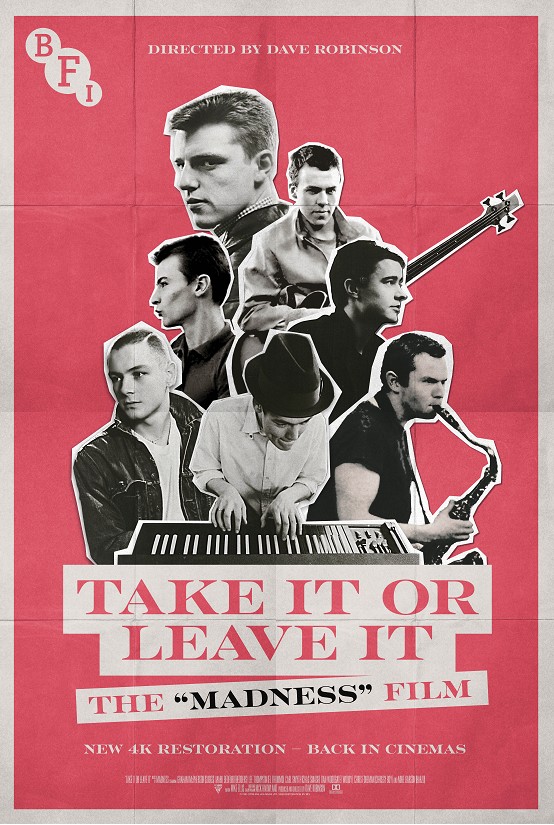
Before the hits came the hustle.
Shot on the streets, pubs and clubs of North London, with the band playing themselves, Dave Robinson's gritty and hilarious feature stands alongside A Hard Day's Night and Slade in Flame as one of the great British pop movies
Book Tickets
|
Making Marie Antoinette (12A)
In 2005, Eleanor Coppola filmed her daughter Sofia directing Marie Antoinette at the Palace of Versailles, the first production ever granted access to the palace. For two decades, eighty hours of footage went unseen. Now, twenty years after the film's release and in fulfillment of her mother's wish, that footage becomes a film of its own. Making Marie Antoinette follows the making of this landmark production, Milena Canonero's costume work, and what it took to direct at 34, watched the whole time by her own mother.
The Garden Cinema View:
Making Marie Antoinette operates on two levels. As a behind the scenes peek into Sofia Coppola's ambitious and provocative take on 18th century French history it is 20 years overdue (although happily a new restoration is imminently coming to cinemas). It is nonetheless remarkable to see to astonishing level of craft in the costumes, production design, wigs, and makeup that made for such a challenging shoot for Coppola. As a mother's observation of her daughter at work, it is very touching. Sofia Coppola is a remarkably relaxed and friendly director, but Eleanor Coppola can read the immense pressure in her body language - and her diary entries record the intense mixture of concern and pride she felt during production. The release of Making Marie Antoinette is itself a tribute to the recently passed Eleanor Coppola from her children Sofia and Roman - adding another emotional layer to the film.
Matilda (30th Anniversary) (PG)
Based on the beloved book from Roald Dahl, this film adaptation directed by Danny DeVito tells the story of Matilda, a gifted young girl who shares a home with parents who ignore her and a brother who mistreats her. Upon starting school, Matilda grows close to the kind and caring teacher Miss Honey but also falls foul of the bulling principal of the school, Miss Trunchbull. When Matilda discovers that she has telekinetic powers, she sets out to right all of the wrongs in the world around her. Celebrating 30 years, this timeless and funny tale puts kindness above all else and has a strong anti-bullying message at its heart whilst also being wildly entertaining.
Into Film recommends this for ages 5+
On Sunday mornings our Family Screenings are followed by a free activity for Children.
The screening is Pay What You Can, which means you’re free to pay as much or as little as you can afford. By paying for a ticket, you will enable us to keep offering Pay What You Can screenings to families struggling with the cost of living. Thank you.
Maya, Give Me a Title (U)
Maya and her dad, director Michel Gondry (Eternal Sunshine of the Spotless Mind) live in different countries. As a way to remain close to her daughter and continue to tell her bedtime stories, her dad asks her every night: 'Maya, give me a title?' From each prompt, armed with coloured paper, scissors, sticky tape and a camera, he creates a unique cartoon in which Maya is the heroine – voiced by Gondry’s daughter Maya herself, joined by actor Pierre Niney.
Gondry uses his trademark wit, whimsy, and mixed media to tell tales about mermaids, earthquakes, and anything else the two dream up. A whimsical, anarchic and sweetly lo-fi collection of fantastical tales, Maya, Give Me a Title will make children dream… and grown-ups smile.
The film was awarded a Crystal Bear by the Children’s Jury at the prestigious Berlin International Film Festival in 2025.
The film is in French with English subtitles.
Film London recommends this film for ages 5+
On Sunday mornings our Family Screenings are followed by a free activity for Children.
The screening is Pay What You Can, which means you’re free to pay as much or as little as you can afford. By paying for a ticket, you will enable us to keep offering Pay What You Can screenings to families struggling with the cost of living. Thank you.
Millennium Mambo (18)
Filmmaker in Focus: Mark Lee Ping-bing. New digital restoration.
A stylish and seductive submersion into the techno-scored neon nightlife of Taipei, Hou’s much-misunderstood marvel stars Shu Qi as an aimless bar hostess drifting away from her blowhard boyfriend and towards Jack Kao’s suave, sensitive gangster. Structured as a flashback to the then-present from the then-future of 2011, it’s a transfixing trance-out of a movie, drenched in club lights, ecstatic endorphin-rush exhilaration, and a nagging undercurrent of ennui.
Our screening on Thursday 5 September, 2024 was introduced by Tony Rayns.
Mr. O's Book of the Dead + Q&A with Mitsuyo Uesugi (18)
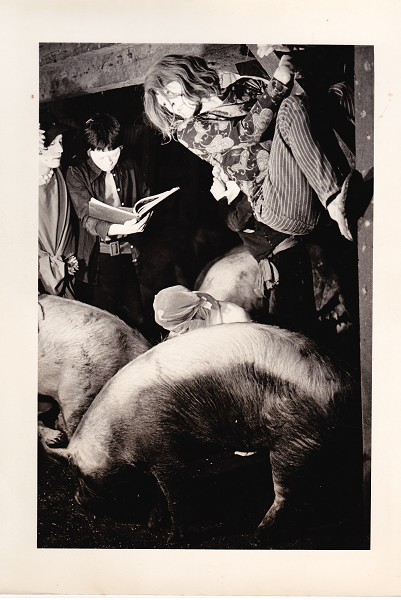
Rebellious Bodies Festival and NPO Dance Archive Network present a special screening of Mr. O's Book of the Dead. Following the screening there will be a Q&A with Mitsuyo Uesugi, who will be visiting from Japan and sharing her experience of working on the film 50 years ago.
Mr. O's Book of the Dead is the final instalment in an experimental film trilogy by documentary filmmaker Chiaki Nagano and pioneering butoh dancer Kazuo Ohno. Shot in numerous places across Japan from Lake Shikotsu in Hokkaido to Yokodai Pig Farm in Kanagawa, the film features 'Mr. O' (Kazuo Ohno) and a troupe of his students, including Mitsuyo Uesugi. In an interview, Nagano once stated 'to die is to be resurrected at the same time', and that this film was 'about one of our deaths, and a starting point towards somewhere new'.
Rebellious Bodies Festival was set up in 2023, and seeks to introduce highly inspirational, well-established Japanese butoh dancers to audiences in the UK. This film is shown in partnership with NPO Dance Archive Network, who hold and manage the Kazuo Ohno and Yoshito archives.

Book Tickets
|
Naza (15)
Shot at night on the rooftops of Tel Aviv, the film reveals in detail the systems behind Israel’s calculated mass killing of Palestinian civilians in Gaza.
One In A Million (Rating TBC)
Filmed over ten years, One In A Million follows Israa from childhood to adulthood on an extraordinary journey from Syria to Germany - and back again. We first meet her at age 11 as she and her family are preparing to cross the Aegean Sea, risking everything in search of safety and a better life in Europe. What unfolds is a deeply personal chronicle of war, exile, and heartbreak, as Israa grows up navigating adolescence, identity, and belonging far from the home she was forced to leave. As Israa settles into life in Germany, new freedoms collide with the stabilizing pull of Syrian traditions, testing bonds and reshaping her sense of self.
Co-directed by Itab Azzam and Jack MacInnes, the film bears witness to the remarkable trust between filmmakers and family, following Israa and her loved ones across borders, cultures, and shifting circumstances. An intimate and nuanced coming-of-age story, One In A Million illuminates the complexities of the refugee experience while asking a universal question: what does it truly mean to call a place home?
Book Tickets
|
Only Beautiful Things to Look At + Q&A with director Ivan Ostrochovský and actress Aňa Geislerová (18)
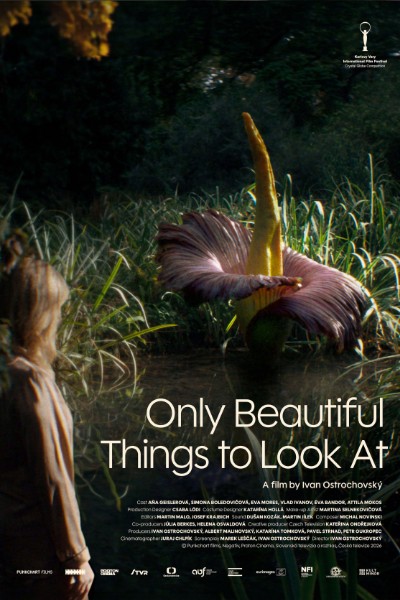
The 30th Made in Prague Festival presents the Winner of the FIPRESCI Award at the Karlovy Vary International Film Festival, an intimate drama about a doctor whose carefully ordered world is shaken by an unexpected friendship. The screening will be followed by a Q&A with with director Ivan Ostrochovský and actress Aňa Geislerová.
Ingrid (Aňa Geislerová), a successful gynaecologist at a district hospital in late-1980s Czechoslovakia, lives a comfortable life with her music-teacher husband Maroš in a beautiful house in the countryside. At work, she delivers babies, performs abortions and takes part in sterilisation procedures, often without her Roma patients’ informed consent, believing she is acting in their best interests. But when Agáta, a young Romany woman, joins the hospital staff, Ingrid’s carefully ordered world begins to shift. As the two form an unexpected bond, Ingrid is forced to confront the unsettling truth that even the noblest intentions cannot justify the means.
Ostrochovský’s beguiling, intimate drama confronts a suppressed chapter of Czechoslovak history, when the state sought to control women’s reproductive choices and Roma women were subjected to forced sterilisation under the guise of modernisation, care and medical progress.
The 30th Made in Prague Festival (September – November 2026) is organised by the Czech Centre London.
Book Tickets
|
Pan's Labyrinth - 20th anniversary (15)
Guillermo del Toro's masterpiece returns to cinema screens in a new restoration.
In post-civil war Spain, 10-year-old Ofelia moves with her pregnant mother to live under the control of her cruel stepfather. Drawn into a mysterious labyrinth, she meets a faun who reveals that she may be a lost princess from an underground kingdom. To return to her true father, she must complete a series of surreal and perilous tasks that blur the line between reality and fantasy.
Patience (After Sebald) with Director Grant Gee (12A)
Director Grant Gee will be in conversation with Gareth Evans after the screening. The programme will open with a live reading of his poem 'For My Friend, Max Sebald' by poet and translator Stephen Watts.
One of the late 20th century's most important writers, W.G. Sebald (1944-2001) died in a car crash 25 years ago today. Praised by Susan Sontag and numerous others, he was on course to win the Nobel Prize for Literature.
Patience (After Sebald) by Grant Gee (Everybody Digs Bill Evans, Joy Division, Meeting People Is Easy) was the first film to explore his work and influence. A multi-layered film essay, narrated by Jonathan Pryce, on landscape, art, history, life and loss, it is told via a long walk through coastal East Anglia tracking the author's most famous book, The Rings of Saturn. As in the book, the film mixes history, travelogue, memoir, meditation, fiction and images to explore the personal, public and often overlooked histories of our times. Sebald has profoundly influenced many of today’s leading writers, thinkers and artists, a number of whom are interviewed for the film, including Robert Macfarlane, Katie Mitchell, Adam Philips, Iain Sinclair and Tacita Dean. The Guardian called it "teasing and elegant", The Observer "immensely enjoyable", while The New York Times described it as a "hauntingly original piece of literary criticism."
Every audience member will receive a copy of the now out-of-print UK dvd edition of the film, which features an exclusive printed, fold-out map of the book's themes and locations by the American novelist Rick Moody (The Ice Storm).
Book Tickets
|
Possible Love (12A)
Possible Love follows the intertwined relationship of two married couples facing different paths and hidden desires. Mi-ok (Jeon Do-yeon) lives quietly with her laid-off husband Ho-seok (Sul Kyung-gu) and their young son Cheol until a funeral brings them into the orbit of Ye-ji (Cho Yeo-jeong), a documentary filmmaker chronicling laid-off workers, and her husband Sang-woo (Zo In-sung) - a couple whose affluent lifestyle stands in sharp contrast to their own. When Mi-ok agrees to be filmed, she grows close to Ye-ji, and finds herself uneasily drawn to the unreadable Sang-woo. As their worlds collide, fractures begin to appear in their daily existence. Marking his first release in eight years, highly acclaimed director Lee Chang-dong (Burning, Poetry, Secret Sunshine) brings his signature nuance to Possible Love, capturing shifting emotions, conflicts, and contrasting outlooks that shape these relationships.
The Garden Cinema View:
It's been a long eight years for fans of the outstanding Korean director Lee Chang-dong but, as ever, it was worth the wait. Over three decades and seven features, Lee has proven himself to be one of the great chronicles of human suffering, dignity, and recovery, as well as demonstrating an extraordinary capacity for empathy. His films scrutinise 'normal' lives, often through their darkest and most disturbing moments, or as they career off into the margins of society. Spread out over long running times (Possible Love being his longest film to date), his work is often compared to literature - fittingly he is also a published short story writer. There is something in his observational style that feels novelistic; allowing the process of simply being with his vivid characters to bring out all kinds of unsaid feelings in the viewer.
Possible Love also showcases Lee's talent with actors and all four main cast members are extraordinary. Zo In-sung, fresh from his horse-back heroics in Hope, and Cho Yeo-jeong, riffing on her adjacent role in Parasite, make for a seemingly well-meaning, but increasingly insincere filmmaking pair. Returning Lee favourite Sul Kyung-gu (Peppermint Candy, Oasis) creates another brutally repressed and internalised character, whilst Jeon Do-yeon (Secret Sunshine) is arguably the standout.
Possible Love addresses labour movements, capitalist exploitation, class conflict, and an array of complexities surrounding documentary filmmaking. But at heart, it is an incisive examination of the infinite complexities of human relationships.
Raise the Red Lantern (PG)
Now showing in a new digital restoration.
The culmination of Zhang Yimou’s ‘Red Trilogy’, and perhaps his most accomplished film, Raise the Red Lantern follows an educated young woman named Songlian (Gong Li), who is sold into marriage with the rich tyrant Master Chen. The Qiao Family Compound provides the basis for one of the great single-setting films, a bewildering fortress of walls, gates, and chambers which reflects the maze of political and sexual challenges which Songlian must navigate if she is to survive.
Fittingly, Raise the Red Lantern is Zhang at his most theatrical. Here, surface level appearances are deceitful, and every gesture or phrase hides a double meaning. The world of repeated rituals and contests between the four competing wives of Master Chen is both intoxicating and frightening. Prosperity and favour are inextricably linked to performance (that of duties and of identity), often the only course of agency for women in the patriarchal societies depicted in many of Zhang’s films. Winner of the Silver Lion at Venice in 1991, Raise the Red Lantern is finally available to see once again in the cinema.
Ravenous (18)
Ravenous was proposed for our Halloween programme by our member Nancy Netherwood, who writes: 'This hugely underrated historical horror comedy-drama is a favourite of mine - both very creepy and massively entertaining with excellent performances from Guy Pearce and Robert Carlyle. Also one of the most unique scores I’ve ever heard (from Damon Albarn and Micheal Nyman no less!)'
In a remote military outpost in the 19th Century, Captain John Boyd and his regiment embark on a rescue mission which takes a dark turn when they are ambushed by a sadistic cannibal.
Book Tickets
|
Sense and Sensibility (U)
From Georgia Oakley (Blue Jean) comes an irresistible new take on Jane Austen’s iconic Sense and Sensibility: a charming, witty, and deeply relatable story of love and sisterhood starring Daisy Edgar-Jones, Esmé Creed-Miles, Caitríona Balfe, George MacKay, and Fiona Shaw.
The Garden Cinema View:
It must be daunting to tackle an Austen novel which already has such a beloved adaptation – especially as Ang Lee’s 1995 version features an almost mythical cast (Thompson, Rickman, Winslet, Grant) in the principal roles. How refreshing then to find the increasingly impressive Georgia Oakley (Blue Jean) finding her own route through one of Austen’s more melodramatic and elaborately written classics. Without going full Andrea Arnold-Wuthering Heights, this is a naturalistic and at times earthy vision, full of candle-lit rooms and elemental countryside. Oakley draws out the local specificities of early 19th century Sussex, Devon, and London to give the corresponding sections distinctive flavours. She elaborates on events alluded to in the novel for dramatic intensity yet is not afraid to lean into the epistolary nature of Regency society, which lends a curiously elliptical structure to some of the narrative twists. That this succeeds is due to a fine cast who successfully emerge from the shadows of their a-list forebearers, with Daisy Edgar-Jones holding everyone in orbit with a tremendous performance at the centre of things as Elinor Dashwood.
Shaun the Sheep: The Beast of Mossy Bottom (U)
Shaun the Sheep: The Beast of Mossy Bottom sees the residents of Mossy Bottom Farm looking forward to Halloween – until the clumsy Farmer trashes the Flock’s beloved pumpkin patch! When Shaun turns mad scientist to fix the problem, things rapidly spiral out of control... With The Farmer missing and a wild beast roaming the woods of Mossingham, all the ingredients are in place for a monstrously fun family adventure.
On Sunday mornings our Family Screenings are followed by a free activity for Children.
The screening is Pay What You Can, which means you’re free to pay as much or as little as you can afford. By paying for a ticket, you will enable us to keep offering Pay What You Can screenings to families struggling with the cost of living. Thank you.
Snow White and the Seven Dwarfs (U)
For this first feature-length Disney Classic, the studio turned to the tales of the Brothers Grimm for inspiration. In this epic story of love and friendship, the kind and beautiful princess Snow White wins the hearts of the Seven Dwarfs and triumphs over the evil plans of a wicked Queen. Snow White and the Seven Dwarfs embodies Disney's legacy of animation.
Into Film recommends this for ages 5+
On Sunday mornings our Family Screenings are followed by a free activity for Children.
The screening is Pay What You Can, which means you’re free to pay as much or as little as you can afford. By paying for a ticket, you will enable us to keep offering Pay What You Can screenings to families struggling with the cost of living. Thank you.
Stalker (PG)
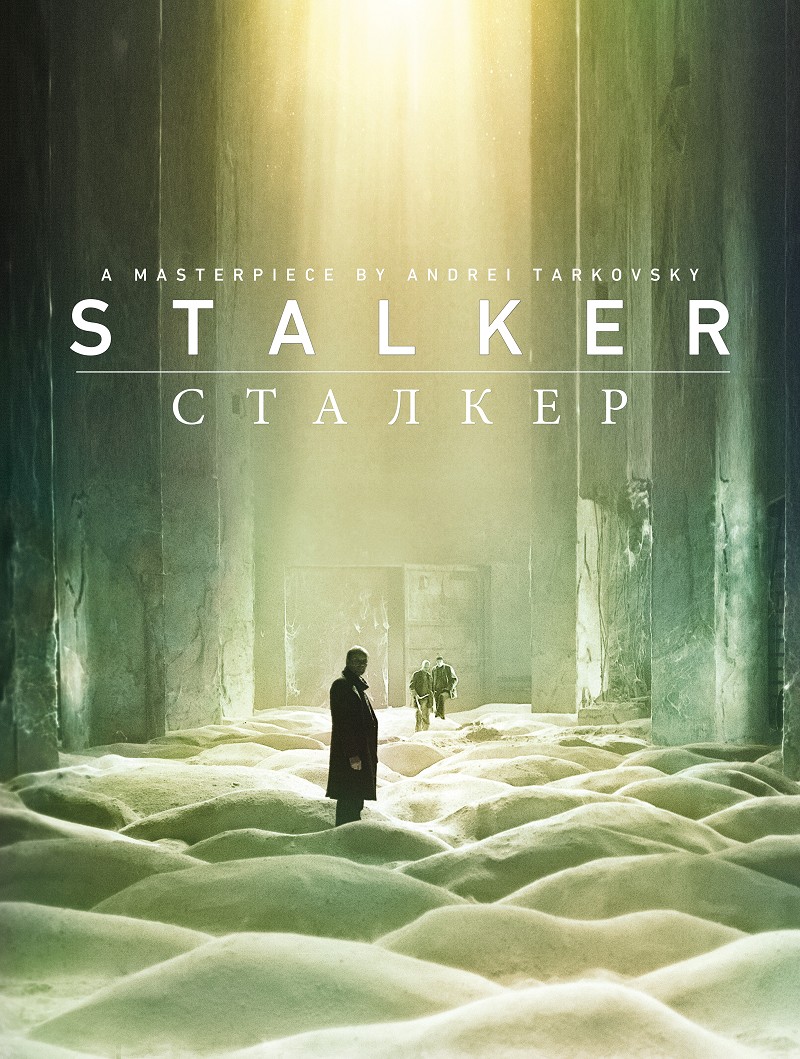
Pushkin House and Klassiki are delighted to present a film programme inspired by the pioneering science fiction of the Strugatsky Brothers: After Utopia: the Strugatsky Brothers on Film.
Andrei Tarkovsky’s final Soviet feature is a metaphysical journey through an enigmatic postapocalyptic landscape, and a rarefied cinematic experience like no other. A hired guide - the Stalker - leads a writer and a professor into the heart of the Zone, the restricted site of a long-ago disaster, where the three men eventually zero in on the Room, a place rumored to fulfill one’s most deeply held desires. Adapting a science-fiction novel by Arkady and Boris Strugatsky, Tarkovsky created an immersive world with a wealth of material detail and a sense of organic atmosphere. A religious allegory, a reflection of contemporaneous political anxieties, and a meditation on film itself - Stalker envelops the viewer by opening up a multitude of possible meanings.
Running from 6-13 November, After Utopia will feature four screenings as well as a live discussion at Pushkin House, exploring how some of the most renowned Soviet and Russian filmmakers – including Andrei Tarkovsky, Aleksandr Sokurov, and Aleksei German – drew on the Strugatskys as they explored the slow collapse of twentieth-century utopia.
Book Tickets
|
Strawman (18)
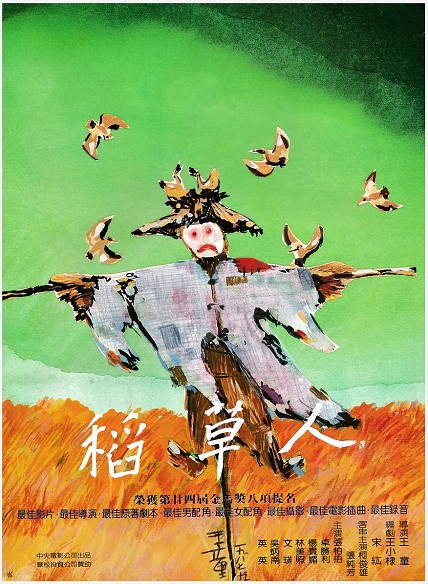
The screening on 25 November will be introduced by Professor Chris Berry (KCL). New restoration.
Filmmaker in Focus: Mark Lee Ping-bing.
Strawman (1987) is the first chapter in Wang Toon’s celebrated 'Modern Taiwan Trilogy', followed by Banana Paradise (1989) and Hill of No Return (1992), which traces the lives of ordinary Taiwanese through the upheavals of Japanese colonial rule (1895-1945) and the early Kuomintang era. Shot by master cinematographer Mark Lee Ping-bing, the film won six Golden Horse Awards, including Best Feature Film, Best Director and Best Original Screenplay.
In 1940s Taiwan, two impoverished tenant farmers struggle to support their family as the war draws to a close. When an unexploded American bomb lands in their field, they carry it to the Japanese authorities, hoping for a reward. Their simple plan soon spirals into absurdity, revealing the indignities, ironies and stubborn hopes of everyday life in the waning days of the Japanese occupation.
Taipei Story (18)
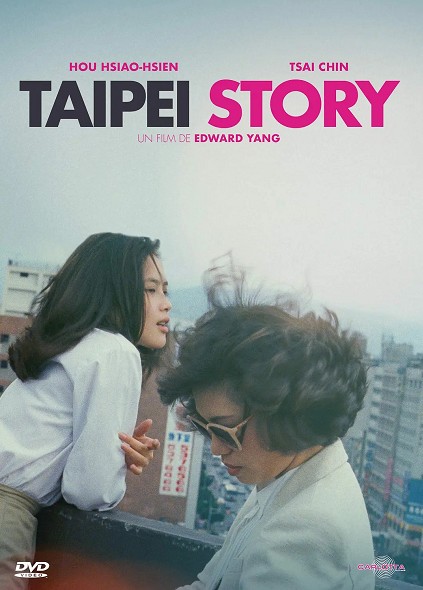
Taipei Story is presented in memory of the late Tony Rayns, a longtime friend and champion of Edward Yang’s work, who voted this film for his Sight and Sound Greatest Films of All Time ballot three times in 2002, 2012 and 2022. The screening on 11 November will be introduced by Professor Chris Berry (KCL).
Lung (Hou Hsiao-hsien) runs a traditional textile business, and Chin (Tsai Chin) works as an assistant in a construction company, aspiring to move towards the future in developing Taipei. As the couple's dreams of marriage and emigration begin to unravel, they are desperately trying to maintain their relationship. Edward Yang's exceptional directorial skills depict the alienation of urban life in cinematic narratives. Collaborating with Taiwan New Cinema master Hou Hsiao-hsien who takes the male lead and serves as the screenwriter and producer. This collaboration is a testament to the camaraderie among New Cinema filmmakers.
The Assassin + Q&A (12)
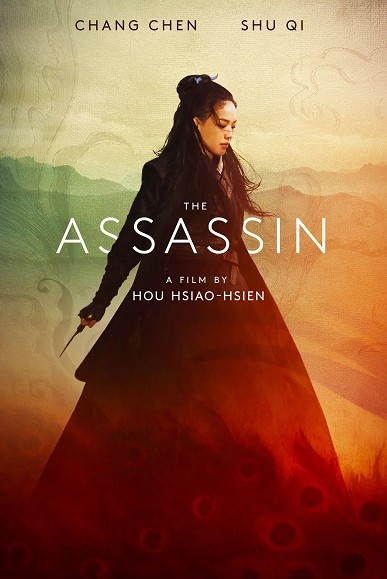
The screening on 2 December will be followed by an in-person Q&A with the cinematographer Mark Lee Ping-bing, moderated by Professor Victor Fan (KCL).
In 8th century China, 10-year-old general’s daughter Nie Yinniang is handed over to a nun who initiates her into the martial arts, transforming her into an exceptional assassin charged with eliminating cruel and corrupt local governors. One day, having failed in a task, she is sent back by her mistress to the land of her birth, with orders to kill the man to whom she was betrothed – a cousin who now leads the largest independent military region in North China.
In his final feature film, Hou Hsiao-hsien reunites with leading actress Shu Qi (Millennium Mambo, Three Times) for a sublime and impressionistic refraction of wuxia cinema. Working within this most commerical of Chinese genres, Hou spins a dense yet profoundly rewarding tale, in a style that is uniquely his.
Filmmaker in Focus: Mark Lee Ping-bing.
The Company of Wolves (18)
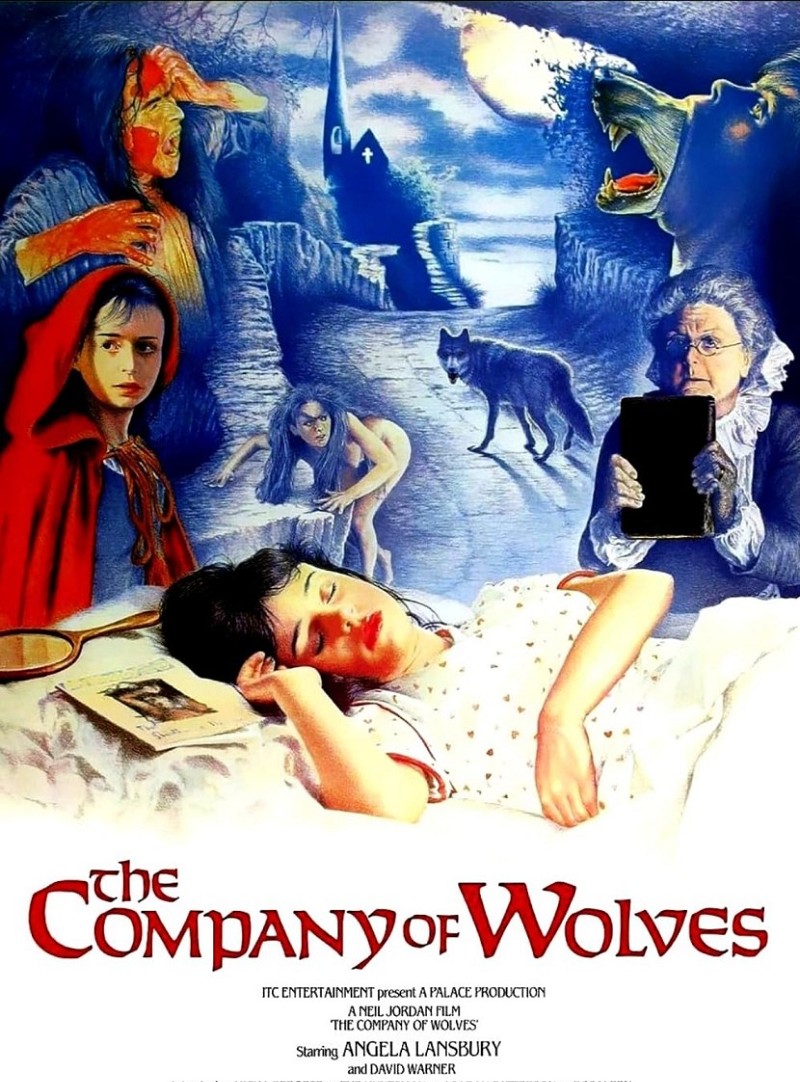
Join Oscar-nominated composer Gary Yershon to commemorate the life and career of George Fenton, who sadly passed away this month, and to celebrate his score for Neil Jordan and Angela Carter's The Company of Wolves.
When young teenager Rosaleen (Sarah Patterson) sleeps, she enters a nightmarish yet alluring dream world populated by werewolves. Her magical encounters become ever more fantastic as they give expression to her own burgeoning sexuality. Meanwhile, rumours grow that a real-life wolf is stalking the dark forest that edges onto Rosaleen's home.
Book Tickets
|
The Devils - director's cut (18)
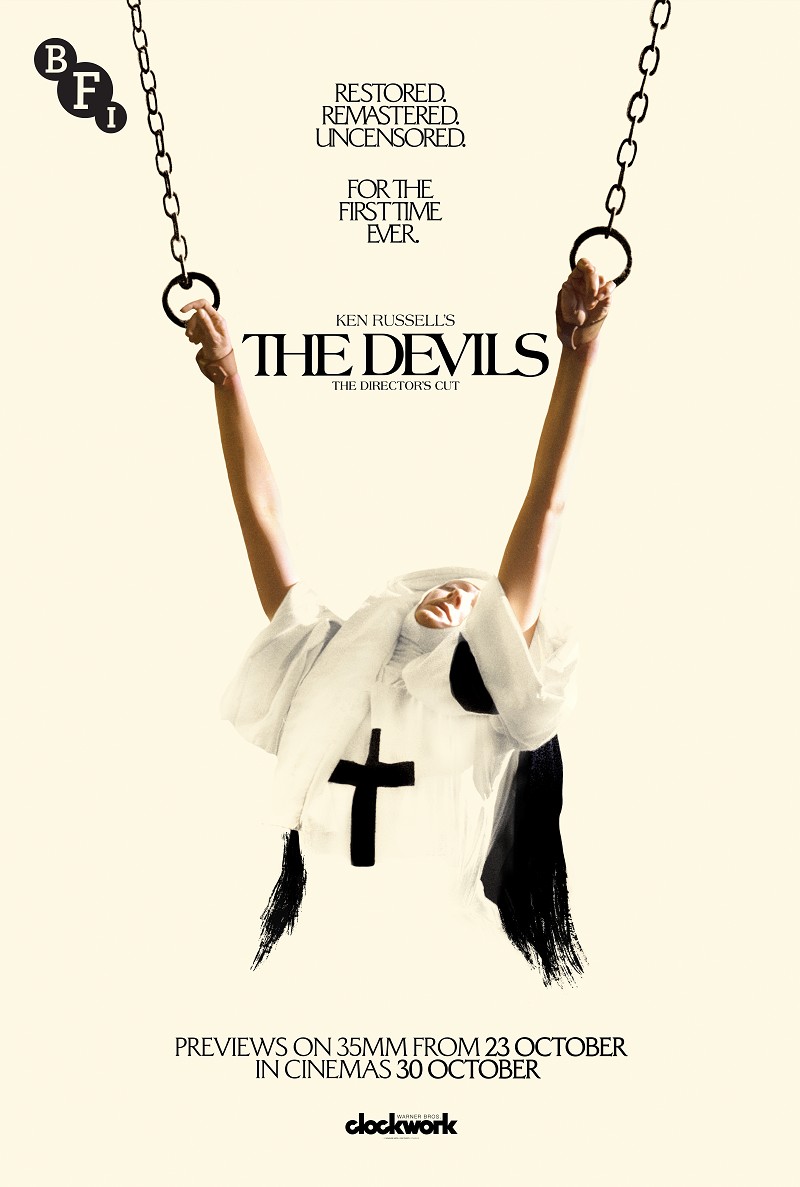
Censored for more than half a century, Ken Russell’s visionary masterpiece returns to the big screen fully restored and cut to Russell’s direction - the first publicly released version of the
film as intended by the filmmaker. Unveiled at the 79th Cannes Film Festival, the definitive version arrives 55 years after the film’s original release.
An enduring masterpiece of cinema starring Oliver Reed and Vanessa Redgrave, The Devils is a prescient epic of obsession and corruption, and a defining work of art from seminal filmmaker Ken Russell. Inspired by the true story of 17th-century priest Urbain Grandier, accused of bewitching a convent of nuns, the film lays bare the collusion of church and state through a searing vision of religious persecution, collective hysteria and institutional corruption.
In addition to powerhouse performances from Reed and Redgrave, The Devils showcases the stunning work of artists at the peak of their craft: Academy Award-winning cinematographer David Watkin (Out of Africa, Chariots of Fire); editor Michael Bradsell (Local Hero, Jabberwocky); and visual artist Derek Jarman (Jubilee, Caravaggio), whose work as production designer marked his feature film debut.
The Dull Ice Flower [UK Premiere] (18)
![The Dull Ice Flower [UK Premiere]](https://images.savoysystems.co.uk/GCL/6242012.jpg)
UK premiere of the new restoration. The screening on 5 December will feature in-person attendance of the cinematographer Mark Lee Ping-bing.
Filmmaker in Focus: Mark Lee Ping-bing.
As dull-ice flowers come into bloom, art teacher Kuo Yun-tien arrives to teach in a rural village. He discovers Ku A-ming, a mischievous boy gifted with a vivid imagination and a natural talent for painting. Despite growing up in poverty, A-ming captures the world around him with an optimistic brush. When Kuo passionately recommends him for a competition, he is forced to confront the harsh realities and obstacles that stand in the way.
Adapted from the novel of the same title by Taiwanese literary giant Chung Chao-cheng, the film uses an unadorned visual style to lay bare the social realities beneath everyday life. Its eponymous theme song, entwined with a tearful story of longing, has been sung and remembered across generations. It previously selected and premiered at Berlinale in 1990.
Courtesy of Radiance Films.
Book Tickets
|
The Others - 25th anniversary (12A)
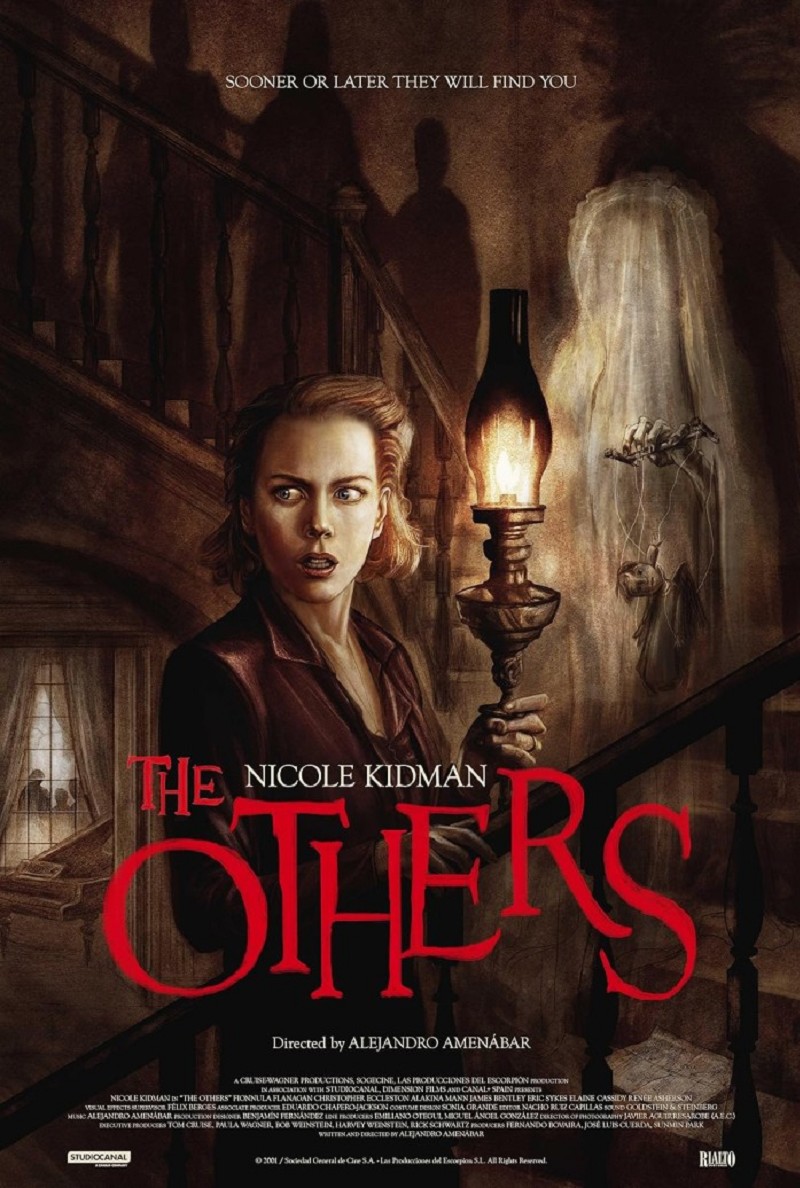
Nicole Kidman delivers an unforgettable performance in this gothic supernatural thriller, now digitally restored. In 1945, Grace (Kidman) and her two children wait for her husband’s return from the war, living an unusually isolated existence behind the locked doors and drawn curtains of a secluded mansion in Jersey. Three mysterious new servants arrive and it becomes chillingly clear that there is far more to this house than can be seen, and Grace finds herself in a terrifying fight to save her children and preserve her sanity. Acclaimed by critics, the unpredictable twists and turns of this compelling psychological horror classic will keep you on the edge of your seat.
The Phantom of the Opera + live score (PG)
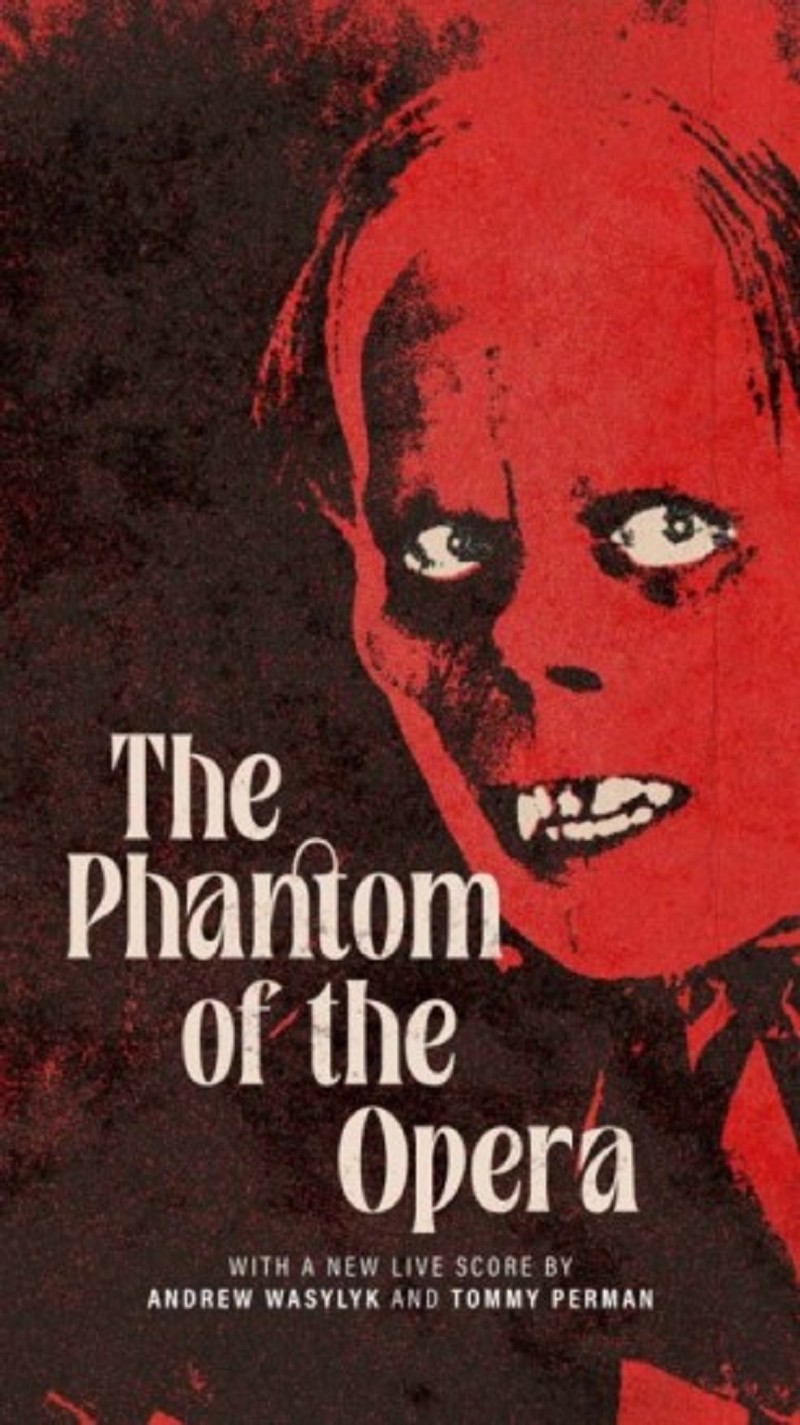
As the nights draw in, we're very excited to be screening one of the earliest horror masterpieces, The Phantom of the Opera (1925). Directed by Rupert Julian and starring Lon Chaney, the first film adaptation of Gaston Leroux’s 1910 novel ranks among the greatest horror films of the silent era. Filled with opulent costumes, extravagant sets and hundreds of extras, the film made dazzling early use of Technicolour.
For this very special screening and performance, Scottish composers Andrew Wasylyk and Tommy Perman have created a new haunting and dramatic score befitting of this silent era classic. Having released their first collaborative album, Ash Grey And The Gull Glides On, in 2024 to critical acclaim and a Scottish Album Of The Year Award nomination, the pair come together once more celebrating an iconic piece of cinema history through their new accompanying soundtrack album, House With A Curse. Expect a score with a present-day approach, navigating opera, neo-classical, acoustic, and electronic instruments with elements of sound design. Not to be missed!
Andrew Wasylyk & Tommy Perman - House With A Curse, out 16/10/26 on Clay Pipe Music. Copies of the album will be available on the evening.
Book Tickets
|
The Pirates! In an Adventure with Scientists! (PG)
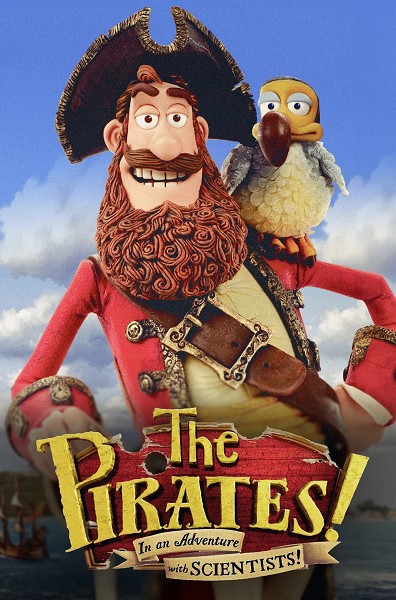
Another gem from Aardman Productions, adapted by Gideon Defoe from his children's book. The Pirates! In an Adventure with Scientists! follows a crew of hapless pirates in their attempt to win the much coveted Pirate of the Year Award.
Hugh Grant stars in his first animated role as the luxuriantly bearded Pirate Captain – a boundlessly enthusiastic, if somewhat less-than-successful, terror of the High Seas. With a rag-tag crew at his side (Martin Freeman, Brendan Gleeson, Russell Tovey, and Ashley Jensen), and seemingly blind to the impossible odds stacked against him, the Captain has one dream: to beat his bitter rivals Black Bellamy (Jeremy Piven) and Cutlass Liz (Salma Hayek) to the Pirate Of The Year Award.
On Sunday mornings our Family Screenings are followed by a free activity for Children.
The screening is Pay What You Can, which means you’re free to pay as much or as little as you can afford. By paying for a ticket, you will enable us to keep offering Pay What You Can screenings to families struggling with the cost of living. Thank you.
The Railway Children (1970) (U)
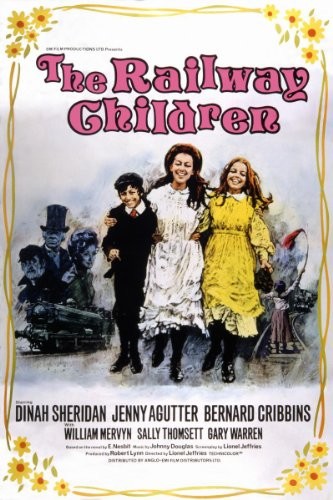
Adapted from the classic children’s novel by Edith Nesbit, The Railway Children is set in 1904, when three children from London move to the countryside after their father is falsely imprisoned. Faced with a change in lifestyle in rural Yorkshire, they find comfort in watching the trains go by. As they make friends in the community, they learn valuable lessons about dignity, bravery and resourcefulness. With an optimism that proves infectious, they never give up hope of freeing their father.
Into Film recommends this for ages 5+
On Sunday mornings our Family Screenings are followed by a free activity for Children.
The screening is Pay What You Can, which means you’re free to pay as much or as little as you can afford. By paying for a ticket, you will enable us to keep offering Pay What You Can screenings to families struggling with the cost of living. Thank you.
The Social Reckoning (15)
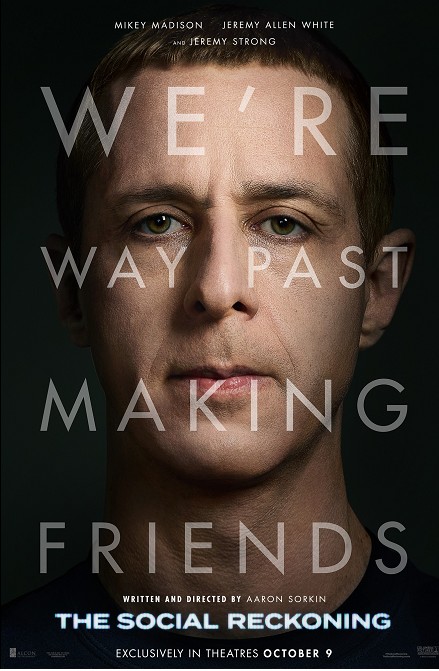
A companion piece to the hit film, The Social Network, Sorkin's original screenplay tells the true story of how Frances Haugen (Mikey Madison), a young Facebook engineer, enlists the help of Jeff Horwitz (Jeremy Allen White), a Wall Street Journal reporter, to go on a dangerous journey that ends up blowing the whistle on the social network's most guarded secrets.
The Garden Cinema View:
The Social Reckoning is a conventionally constructed film about the real case of the 2021 Facebook files leak and employee Frances Haugen's whistleblowing, but it's no less gripping for it. We more or less already know how exploitative and divisive Facebook's algorithm has become, but we're for hammering the point home all the same. It's a common truth that always slips away from us the moment we're caught inside it.
Mikey Madison is great in what amounts to a counter Anora role, and Jeremy Strong is method-acting in a way his fans will adore and others not so. Aaron Sorkin wrote and directed this one himself - a change from The Social Network, which he wrote but David Fincher directed. Maybe that's why it doesn't carry quite the same directorial gravitas, but the key message lands nonetheless.
The Time to Live and the Time to Die (PG)
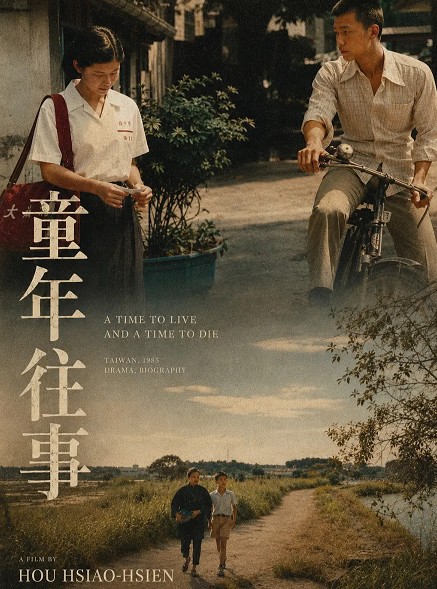
Filmmaker in Focus: Mark Lee Ping-bing.
Inspired by filmmaker Hsiao-hsien Hou’s own childhood, this drama centers on Ah-Ha-Gu, a boy who comes of age during a tumultuous time in his family’s history. When the Gu family made the move from China’s mainland to Taiwan, the elder family members struggled to adapt in their new environment while the adolescent Ah-Ha thrived. Indeed, as Ah-Ha grows to maturity, the generation gap grows fearsomely wide, threatening to alienate the young man from his family and their traditions.
The screenings in 2023 featured a pre-recorded introduction by Tony Rayns.
Book Tickets
|
Theatre of Blood (15)
Theatre of Blood was proposed for our Halloween programme by our member Jonathan Carey.
It's never been tougher to be a critic than in Theatre of Blood, one of the greatest horror comedies of all time. Vincent Price gives a career best performance as Edward Lionhart, a veteran Shakespearean actor who, when passed over for the coveted Critic's Circle award for Best Actor takes deadly revenge on the critics who snubbed him.
With one of the greatest ensemble casts ever assembled for a horror film including Diana Rigg, Harry Andrews, Jack Hawkins and Arthur Lowe, Theatre of Blood is an dementedly funny and deliciously macabre cult classic.
Book Tickets
|
To Hold a Mountan + Q&A (preview) (12A)
The screening on Friday November 27 is a preview screening and will be followed by a Q&A with directors Biljana Tutorov & Petar Glomazić.
In the remote highlands of Montenegro’s Sinjajevina plateau, Gara and her thirteen-year-old daughter Nada return to their ancestral pastures every summer, where they herd animals, gather herbs and live in symbiosis with the mountain they call “Mother.” But their fragile world comes under threat when the Montenegrin government advances plans for a NATO-backed military training ground in the heart of this protected landscape. Gara emerges as an unexpected leader in the fight to defend Sinjajevina but, as Nada grows into young womanhood, the encroaching violence on the land awakens questions about her past, her future and the cycle of harm within her family she hopes to break.
Book Tickets
|
Typist, Artist, Pirate, King + Q&A with Carol Morley & Monica Dolan (12A)
The screening will be followed by a Q&A with acclaimed director Carol Morley and award winning actress Monica Dolan.
The Cinema Obsessive is proud to present a screening of Typist, Artist, Pirate, King. The film explores the life of the artist Audrey Amiss (1933-2013), who experienced mental health issues throughout her life yet channelled these hardships into her creative practice.
The story follows Audrey (Monica Dolan) and her psychiatric nurse (Kelly Macdonald) as they travel to Sunderland to exhibit her work. Along the way, they find themselves in bizarre rural situations, heated arguments with strangers and in conflict with a mysterious yet painful past.
Director Carol Morley doesn’t take the easy route when displaying Audrey's relationship with her own mental health. Morley’s approach simultaneously underlines Amiss’ daily struggles, while also showing an inner mind fuelled by wildly inventive imagination. Audrey’s journey is by no means straightforward, as the clues in her past remain psychologically complex.
The screening coincides with ‘Audrey Amiss: The Surviving Exhibitions,’ taking place at the Wellcome Collection until February 2027.
The Cinema Obsessive is a project founded by Ennis Barnett. It celebrates and platforms cinema culture in London, exploring how cinemas spaces can create and foster communities, while encouraging debate and discourse.
Book Tickets
|
Vampire Ball: Live Viola, Cocktails + The Hunger (18)
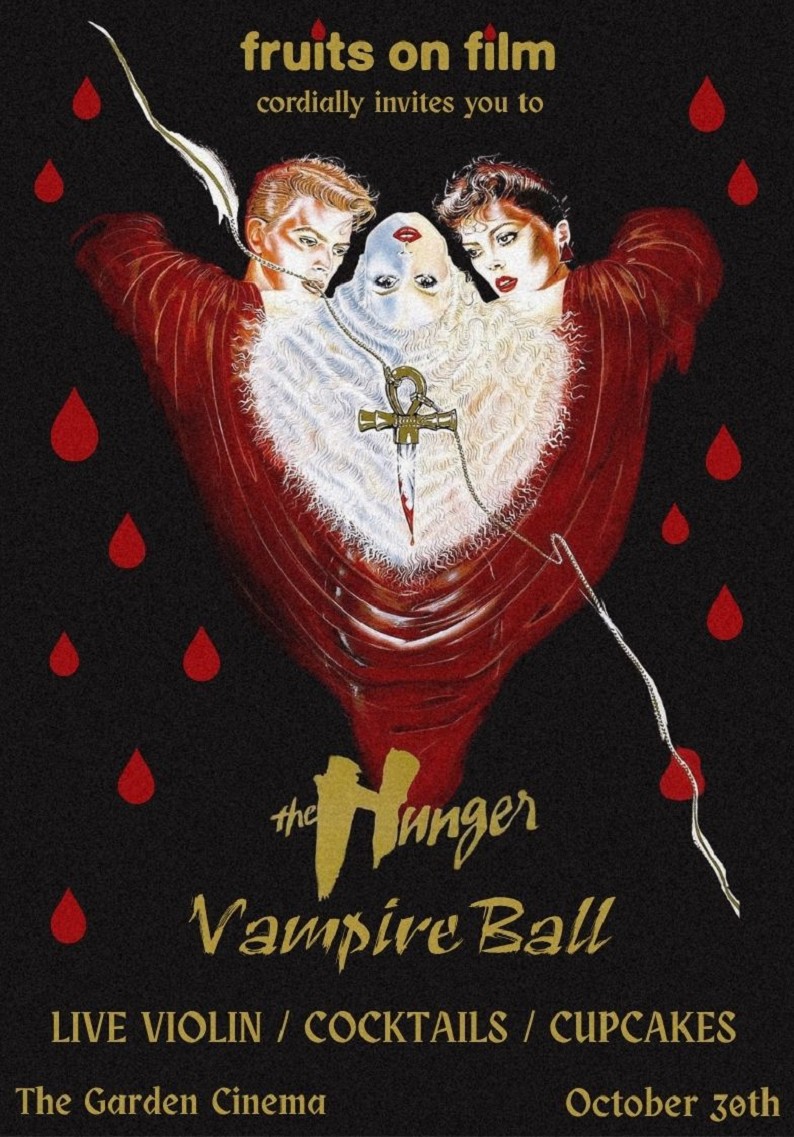
You are cordially invited to Fruits on Film's inaugural vampire ball: expect live violin, cocktails, cupcakes, and Tony Scott's iconic film The Hunger (1983).
Blood-thirsty cocktails will flow in the Atrium bar as you mingle among fellow creatures of the night. As dusk gives way to darkness, Amirah de Bourg will open the evening, performing a haunting selection of viola pieces to set the mood as you sink your teeth into delicious cupcakes made by Mise-en-Crème. Fruits on Film curator Anna Lily Dean (she/her) will then set the fruity, fangtacular scene, introducing The Hunger before the lights go down.
Vampiric couture is very much encouraged, dress like you're gonna live forever!
Tickets for this event are £19 for members (restricted to 2 per member, so you can bring a guest for the same price), and £21 for non-members. Tickets include access to the Vampire Ball and live violin music, 1 complimentary cupcake and a free Bloody Cocktail (with a non-alcoholic option available), as well as an allocated seat for the film.
Event timings:
18:30 Drinks, Cupcakes & Viola music sessions in the Atrium Bar
20:45 Introduction + screening of The Hunger
22:35 Expected finish
About The Hunger:
Catherine Deneuve, David Bowie and Susan Sarandon star in Scott's erotic supernatural thriller, a love triangle that bridges life and death, love and hunger. Miriam (Deneuve), a five-thousand-year-old vampire, promises her lovers eternal life, but when her cellist companion John (Bowie) begins to age overnight, he seeks help from Dr. Sarah Roberts (Sarandon), a researcher into the mechanisms of aging and the secrets to immortality.
A note from the Fruits on Film curators:
Decades on, Scott's film is an entirely fresh take on one of cinema’s most popular genres. Lesbian vampires were (and remain) a trope of trashy, prurient horror, but the sapphic scenes in The Hunger are delicate and sensual, its queer characters rich and flawed. The vampire legend here takes on a new, alluring resonance: these vampires are less gothic than straight-up goth, wearing leather jackets and gathering at Bauhaus gigs. It's their neat dagger pendants that draw their victims' blood, not fangs. No references are made to garlic, bats or invisible reflections, and the word 'vampire' is never spoken. Even more than other films in the genre, The Hunger has a heightened, macabre preoccupation with physicality and decay; cold, gruesome scenes from Dr Roberts' research facility undermine the seemingly effete, unmarred nature of immortal life.
The film's queer resonance was ahead of its time. Released in 1983, well before HIV/AIDS became prominent in the wider public consciousness, it nevertheless invites chilling parallels in hindsight, when Bowie's character ages rapidly and is dismissed by doctors as a hypochondriac. The more likely metaphor here is addiction and intravenous drug use, the dream/nightmare dichotomy of life lived in the shadow of your own hunger: the moment when desire becomes dependency. Amid the film's delirious, sensory delights and playful eroticism, the realities of flesh and blood are inescapable.
The Hunger leaves us repeatedly tantalised. The past lives of its ancient vampire protagonists are seen only in glimpses and fragments, and erotic and violent possibilities are dangled and teased long before they're finally delivered.
Content warnings:
Strong violence (including simulated animal death), strong sex, nudity, strong language and outdated language.
About Amirah de Bourg:
Amirah de Bourg (she/her) is a queer Caribbean classical violinist and violist with an extensive musical background spanning orchestra, choir, and international touring.
About Mise-en-Crème:
Mise-en-Crème is an amateur baker specialising in novelty cakes and bakes for film clubs and screenings in London.
Follow @fruitsonfilm__ on instagram for our most up to date announcements and updates on our strand.
Book Tickets
|
What Time Is It There? (18)
The screening on 4 November will be introduced by Professor Victor Fan (KCL).
What Time Is It There? (2001) reunites Tsai Ming-liang with his muse Lee Kang-sheng and longtime collaborators Chen Shiang-chyi and Lu Yi-ching in a melancholic meditation on time, distance and longing. The story continues in the epilogue The Skywalk Is Gone (2002), which reconnects Hsiao-kang and Shiang-chyi before their paths cross again in Tsai’s later The Wayward Cloud (2005).
Hsiao-kang, a watch vendor in Taipei, sells a dual-time watch to Shiang-chyi before she leaves for Paris. As she wanders the unfamiliar city alone, Hsiao-kang becomes increasingly fixated on Paris, watching Truffaut’s The 400 Blows and resetting clocks across Taipei to Paris time. Across Taipei and Paris, their solitary lives unfold in parallel, mirroring each other through absence, chance encounters and quiet gestures of connection.
White Gold: Elon Musk and the Race for Argentina's Lithium + Q&A (18)

The screening will be followed by a Q&A, hosted by Global Witness, who produced the film.
Elon Musk and Donald Trump are big fans of Argentina’s populist President Javier Milei.
Trump and Milei have publicly praised each other, with the US President offering support to his Argentine counterpart, while Musk and “anarcho-capitalist" Milei initially wooed each other on social media, exchanging affectionate posts and sharing photos from their in-person meetings.
At the heart of this bromance lie Argentina’s large reserves of lithium, the mineral known as “white gold”.
Lithium is powering the world’s energy transition, and multinational mining firms are descending on Argentina’s remote salt flats to supply companies like Tesla.
But what about the people who have lived in the region for generations, who now fear that lithium mining is exhausting their water supply?
From South America’s Lithium Triangle to the halls of power in Washington, DC, from the Indigenous Peoples of Catamarca to Elon Musk, Donald Trump and Javier Milei, White Gold tracks the human impact of the green transition.
Book Tickets
|
Wicker (15)
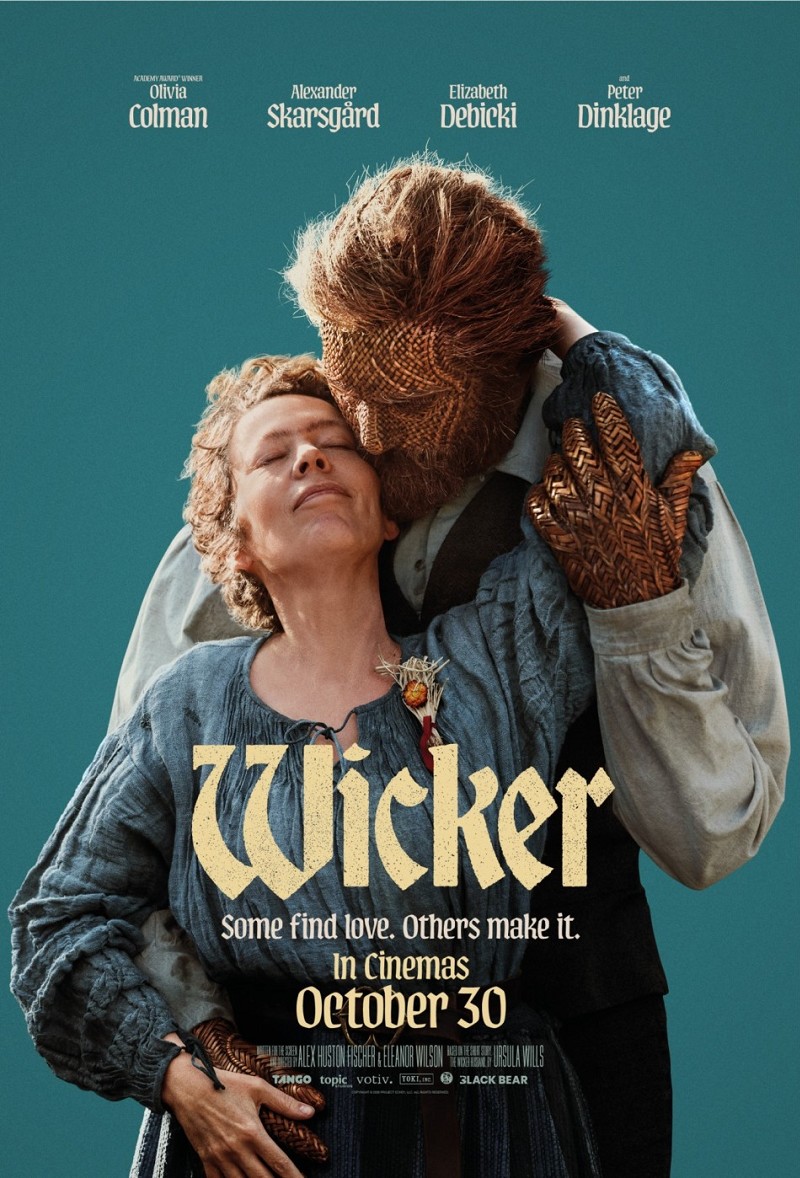
On the outskirts of a village by the sea, lives a Fisherwoman; smelly, single, and perpetually ridiculed. One day, fed up with her stuffy, small-minded neighbours, she commissions herself a husband to be made from wicker. In an otherwise conservative town, this unconventional romance sparks outrage, jealousy and chaos.
The Garden Cinema View:
If you liked his emotionally distant leather-clad biker in Pillion, you’re going to love Alexander Skarsgård as an extremely attentive wicker man…
Co-directors Alex Huston Fischer and Eleanor Wilson breathe life into this Pygmalion-type fairy tale; a quirky, comedically broad critique of gender roles, small-town jealousy, and ageism. Where Wicker excels is in its world building. Production designer Renátó Cseh and cinematographer Lol Crawley create a fully realised space for this odd community, featuring a mud-caked village and the Fisherwoman’s (Olivia Colman) witchy cottage on the edge of town. The Wicker Husband himself is a compelling and (very) tactile creation - a triumph in prosthetics and makeup by Wētā Workshop. Skarsgård’s movement and softly spoken interactions with the grotesques of the village are among Wicker’s most interesting scenes. Huston Fischer and Wilson lend this non-specific time and place its own cosmology of folk rituals, customs, and speech – resulting in a folk-horror-comedy sensibility that is both distinct but recognisable.
The jokes are somewhat uneven, but Wicker is still thoroughly enjoyable - although it may leave you wondering what a darker and stranger take on this tale might have looked like…
Members wishing to weave their screening of Wicker into a full evening programme (complete with a delicious cocktail and a straw man making activity), can buy tickets for our event on Thursday 5 November here.
Wild Horse Nine (15)
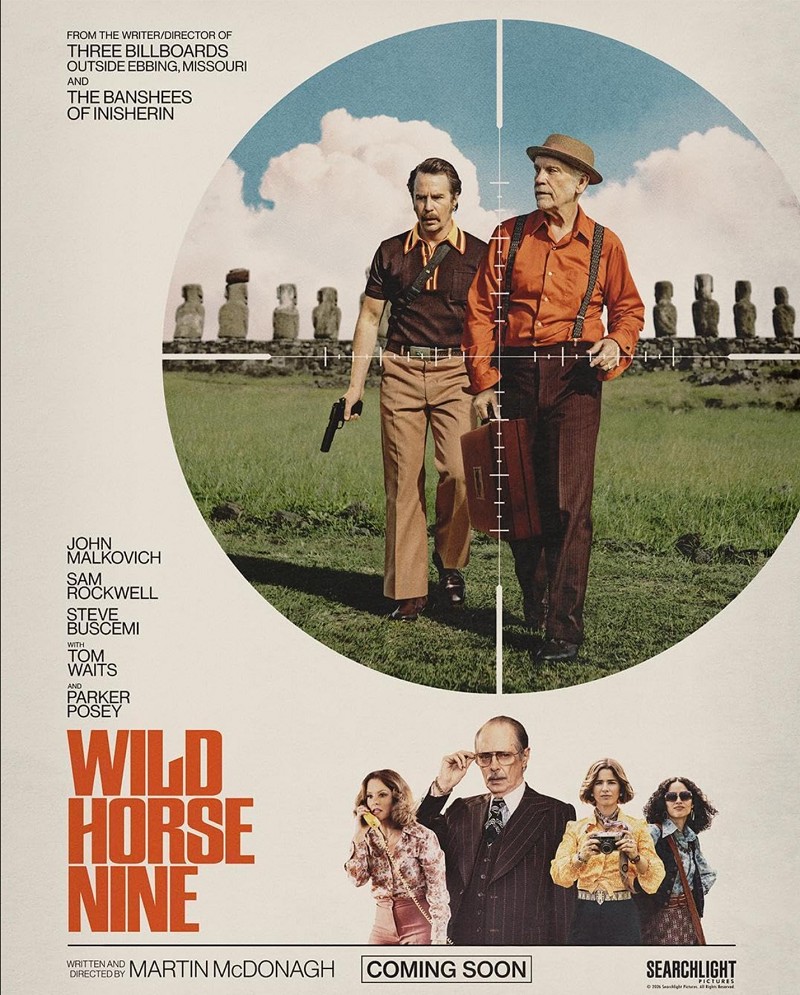
Shortly before the 1973 Chilean coup, CIA agents Chris and Lee are dispatched from Santiago to Easter Island by their bureau chief, MJ. Amongst the Island's iconic statues, and as the longtime partners wrestle with their dark pasts and present conspiracies, Chris's newfound bond with a pair of rebellious students threatens to send everyone’s trip to this remote paradise sideways.
You Can See Everything (Rating TBC)
Thirty-four days before she’s sent to prison, notorious Silicon Valley founder Elizabeth Holmes invites a sceptical film crew to document her every move. What begins as an intimate portrait of an enigmatic felon becomes a mind-bending three-year journey into the abyss.
The Garden Cinema View:
It’s hard to write about You Can See Everything without spoiling the experience, so we’ll keep this vague…
Suffice to say, this is both a continuation and an evolution of Nathan Fielder’s exploration into the boundaries of performance and authenticity, and reality and fiction. Fielder’s own ‘persona’ is dialled back. An occasional awkward joke or line reminding fans of his TV work that this is a different proposition to Nathan for You or The Rehearsal. There is a real sense of volatility in terms of who is in control of the narrative here. Puppetmaster Fielder, or Elizabeth Holmes and her unsettling partner Billy Evans. However, this is also the most formally rigorous – and cinematic – work that Fielder has been involved in. Co-director Lance Oppenheim uses a remarkably strict and sustained aesthetic. Almost always shot in extreme close-ups, and with a boxy 4:3 ratio, You Can See Everything traps you in the intense space between Fielder and Holmes, and invites you to decipher their expressions and reactions.
This is a detective story, a game of wits, and a laugh-out-loud comedy which utterly grips for a near 3-hour runtime. It’s rather unique and endlessly fascinating to think about.